





Menu

Frozen Pipe Burst Cleanup in Tampa – Emergency Water Extraction Teams Dispatched in Under 60 Minutes

When frozen pipes rupture and flood your property, our certified Tampa crews arrive fast with industrial pumps, thermal imaging, and direct insurance coordination to stop water damage before it destroys your walls and floors.

Slider Image 1
Slider Image 2
Slider Image 3
Slider Image 4
Slider Image 5
Slider Image 7
Slider Image 8
Slider Image 9
Slider Image 10
Slider Image 11

Why Frozen Pipes Still Burst in Tampa's Subtropical Climate

Most people think frozen pipe burst remediation only happens up north. Wrong. Tampa experiences freeze events during sudden cold snaps when temperatures drop below 32°F for just a few hours. Pipes in uninsulated attics, exterior walls, and older homes in neighborhoods like Seminole Heights and Hyde Park are vulnerable. When water freezes inside copper or PVC lines, it expands with over 2,000 PSI of force. The pipe cracks or splits wide open. Once temperatures rise, that ice melts into rushing water that floods your ceilings, walls, and floors.

The damage happens fast. A quarter-inch crack releases over 250 gallons per day. Within hours, you're facing soaked drywall, buckled hardwood, ruined insulation, and mold spores beginning to colonize damp materials. Emergency burst pipe water removal is not optional. It's critical. The longer water sits, the worse the structural damage and the higher your claim.

Burst pipe water damage restoration requires immediate action. You need water extraction for frozen pipes within the first 24 hours to prevent Category 2 contamination and permanent material loss. Tampa's high humidity makes the timeline even tighter. Moisture does not evaporate here like it does in dry climates. It festers. Our frozen pipe flood cleanup teams deploy extraction units, air movers, and dehumidifiers to pull moisture from every compromised surface before secondary damage takes hold.

Why Frozen Pipes Still Burst in Tampa's Subtropical Climate
How We Execute Frozen Pipe Burst Cleanup Under Emergency Conditions

How We Execute Frozen Pipe Burst Cleanup Under Emergency Conditions

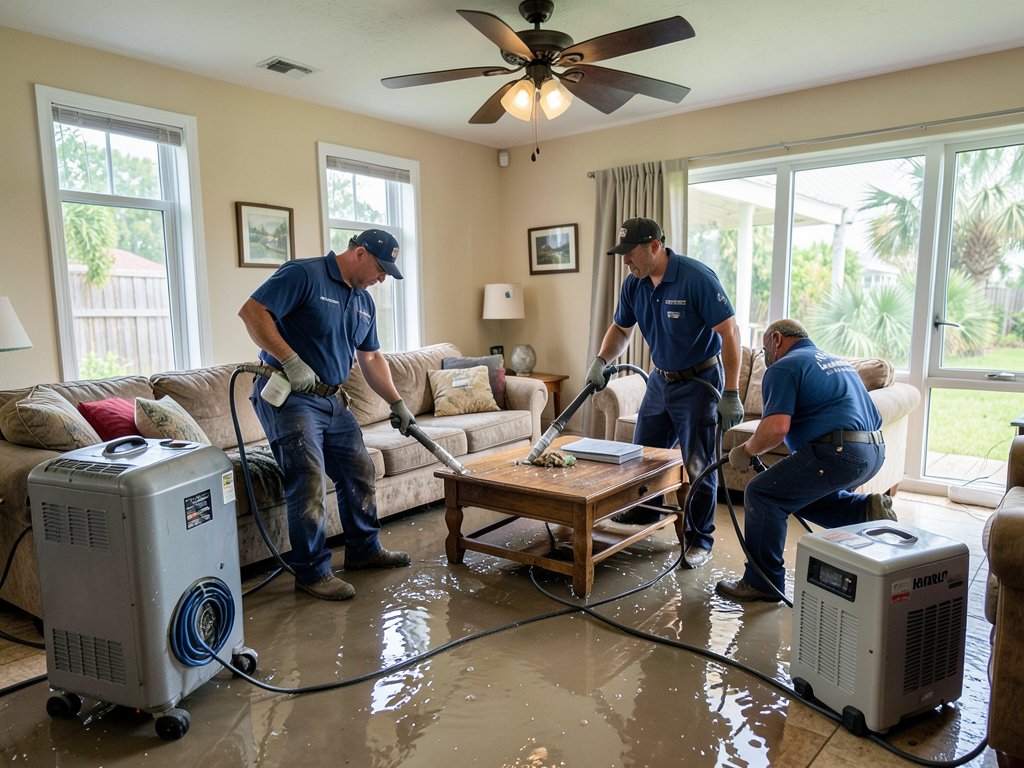
We do not show up with a wet vac and hope for the best. Fortress Water Damage Restoration Tampa deploys certified IICRC Water Restoration Technicians with truck-mounted extraction systems capable of removing thousands of gallons per hour. First, we locate the rupture point and shut off the water supply to stop the flow. Then we assess the extent of saturation using moisture meters and infrared cameras to detect hidden water in wall cavities and subfloors.

Our extraction process uses both portable extractors and weighted wands to pull standing water from carpets, padding, and hard surfaces. For severe flooding from burst pipe water damage restoration scenarios, we deploy submersible pumps. Speed matters. Every minute water sits increases absorption depth into porous materials like drywall, insulation, and subflooring.

After extraction, we place commercial-grade air movers in a vortex configuration to accelerate evaporation. Low-grain refrigerant (LGR) dehumidifiers pull moisture from the air and materials simultaneously. We monitor humidity levels and moisture content daily using hygrometers and pin-type meters. If moisture readings do not drop within 48 hours, we adjust equipment placement or add heat to speed drying.

We also document everything. Photos, moisture logs, and equipment placement records go directly to your insurance adjuster. This documentation is required for frozen pipe burst remediation claims and protects you from claim denials due to insufficient evidence. We coordinate directly with carriers to streamline approvals and get you back to normal faster.

What Happens When You Call for Emergency Frozen Pipe Flood Cleanup

Frozen Pipe Burst Cleanup in Tampa – Emergency Water Extraction Teams Dispatched in Under 60 Minutes
01

Immediate Dispatch and Damage Assessment

You call our emergency line at (656) 219-8088 and speak to a live technician, not an answering service. We dispatch a crew to your Tampa property within 60 minutes. Upon arrival, we locate the pipe rupture, shut off your water main, and use thermal imaging and moisture meters to map the full extent of water migration through walls, ceilings, and floors. This initial assessment determines equipment needs and project scope.
02

Water Extraction and Structural Drying

We remove standing water using truck-mounted pumps and portable extractors, then pull trapped moisture from carpets, padding, and subfloors using weighted wands. Air movers and LGR dehumidifiers are strategically placed to create airflow across all wet surfaces. We monitor drying progress with daily moisture readings and adjust equipment to ensure complete evaporation. Saturated materials like baseboards and insulation are removed if they cannot be salvaged.
03

Antimicrobial Treatment and Restoration Prep

Once moisture levels return to acceptable standards, we apply EPA-registered antimicrobial solutions to all affected surfaces to prevent mold colonization. We provide detailed documentation of moisture readings, equipment logs, and photographic evidence for your insurance claim. If structural repairs are needed, we coordinate with restoration contractors or handle reconstruction in-house. Your property is returned to pre-loss condition, dry and safe.

Why Tampa Properties Need Local Frozen Pipe Burst Cleanup Experts

National franchises do not understand Tampa's building stock. Many homes here were built in the 1950s through 1970s with minimal insulation and exposed piping in attics and crawl spaces. Neighborhoods like Carrollwood, Westchase, and Town 'N' Country have concrete slab foundations with plumbing run through attic spaces where temperatures can drop rapidly during cold fronts. These pipes freeze faster than ground-level lines in northern climates.

We know which homes are at risk and how to mitigate damage quickly. Tampa's high water table and sandy soil also complicate water extraction for frozen pipes. Floodwater can seep into slab cracks and permeate subflooring from below. Standard extraction methods miss this subsurface moisture. We use deep extraction mats and injectidry systems to pull water from beneath tile and hardwood without demolition.

Our crews also understand local building codes for water damage restoration. If structural repairs involve electrical or plumbing work, permits and inspections are required. We handle coordination with Hillsborough County Building Services so you do not face compliance issues or failed inspections. This local knowledge saves time and prevents costly rework.

We also maintain relationships with Tampa insurance adjusters. They know our documentation standards and trust our moisture readings. This speeds up claim approvals and gets you paid faster. Out-of-town companies often submit incomplete reports that trigger delays or disputes. We do not let that happen. You get professional emergency burst pipe water removal with local accountability and regional expertise.

What to Expect During Emergency Water Damage Response

Response Time and Availability

We operate 24 hours a day, 365 days a year. When you call (656) 219-8088, a certified technician answers immediately and dispatches a crew to your Tampa property within 60 minutes. We do not use answering services or third-party call centers. Our trucks are fully stocked with extraction pumps, air movers, dehumidifiers, and moisture detection equipment. You will not wait days for someone to show up with a shop vac. We arrive ready to stop water damage progression immediately. Speed is everything in frozen pipe flood cleanup.

Initial Damage Assessment and Scope

Our technicians use infrared cameras and moisture meters to identify every area affected by water, including hidden moisture in wall cavities, ceilings, and subfloors. We document saturation levels, take photos, and provide a written scope of work before starting. You will know exactly what needs to be dried, what materials must be removed, and what equipment will be used. This assessment is provided to your insurance carrier immediately to begin the claims process. No surprises, no guessing.

Drying Results and Completion Standards

We do not remove equipment until moisture readings meet IICRC S500 drying standards. Walls, floors, and structural materials must reach equilibrium moisture content, typically 12 to 15 percent for wood and under 1 percent for concrete. We provide daily moisture logs and final readings in writing. If your insurance adjuster requests third-party verification, we coordinate that at no additional cost. Your property is certified dry and ready for repairs or reconstruction.

Insurance Coordination and Documentation

We work directly with your insurance carrier to document damage, submit estimates, and answer adjuster questions. All moisture readings, equipment logs, and photos are provided in a format adjusters require. We do not require upfront payment if you are filing a claim. We bill your carrier directly after work is approved. If your claim is denied or disputed, we provide additional documentation and expert testimony if needed. You are protected throughout the entire process.

Frequently Asked Questions

You Have Questions,
We Have Answers

What to do when a pipe freezes and bursts? +

Shut off your main water valve immediately to stop flooding. Turn off electricity to affected areas if water is near outlets or appliances. Call a licensed plumber and water damage restoration company right away. Document the damage with photos for insurance. Remove standing water quickly to prevent mold growth. Tampa homes rarely face frozen pipes, but when cold snaps hit, exposed pipes in attics, crawl spaces, or exterior walls are vulnerable. Do not attempt repairs yourself. The burst pipe needs professional replacement, and water extraction must start within 24 hours to prevent structural damage and mold in Tampa's humid climate.

How to clean up after a pipe burst? +

Start by extracting all standing water using pumps and wet vacuums. Remove soaked materials like carpets, drywall, and insulation that cannot be salvaged. Set up industrial fans and dehumidifiers to dry the structure completely. This is critical in Tampa where high humidity slows drying and accelerates mold growth. Disinfect all affected surfaces to prevent bacterial contamination. Monitor moisture levels in walls and subfloors using meters. Professional restoration teams use thermal imaging to find hidden moisture pockets. Document everything for insurance claims. Complete drying takes three to five days depending on the extent of water intrusion and Tampa's ambient humidity levels.

What is the fastest way to unfreeze pipes? +

Apply gentle heat using a hairdryer or heating pad to the frozen section, working from the faucet toward the frozen area. Never use open flames, blowtorches, or high-heat devices that can damage pipes or create fire hazards. Wrap pipes in towels soaked with hot water. Turn up your thermostat and open cabinet doors to allow warm air circulation. In Tampa, frozen pipes are rare but occur during brief cold snaps when temperatures drop below 32 degrees. If you cannot locate the freeze point or pipes remain frozen, call a plumber immediately. Attempting aggressive thawing can cause pipes to burst from sudden pressure changes.

Should you shut your water off if your pipes freeze? +

Yes, shut off your main water valve immediately if you suspect frozen pipes. This prevents flooding if the pipe bursts during thawing. Locate your main shutoff valve before winter weather hits, usually near the water meter or where the main line enters your home. Keep the valve accessible and test it annually. In Tampa, most homeowners do not know where their shutoff valve is because freezing events are uncommon. However, when temperatures drop into the low 30s, unprotected pipes can freeze within hours. After shutting off water, open faucets to relieve pressure and allow any remaining water to drain out.

Should you leave your faucets open if your pipes are frozen? +

Yes, leave faucets slightly open to allow a small trickle of water. Moving water is harder to freeze than stagnant water. This also relieves pressure buildup inside pipes, reducing the chance of rupture if freezing occurs. Open both hot and cold taps on faucets along exterior walls or in unheated spaces. In Tampa, this precaution applies mainly during rare freezes when temperatures stay below 32 degrees for extended periods. Focus on bathrooms and kitchens with exterior wall plumbing. The water waste is minimal compared to the cost of burst pipe damage, which can reach thousands of dollars in water extraction, structural repairs, and mold remediation.

Does homeowners insurance cover frozen pipes? +

Most homeowners insurance policies cover sudden and accidental water damage from frozen pipe bursts, including cleanup and repairs. However, coverage may be denied if the insurer determines you failed to maintain reasonable heat or neglected home maintenance. If your home was vacant during freezing temperatures, specific policy exclusions may apply. In Tampa, frozen pipe claims are uncommon, which can work in your favor with adjusters unfamiliar with local conditions. Document the weather event, show you took preventive measures, and file your claim immediately. Water damage restoration costs, structural repairs, and temporary housing are typically covered if the claim is approved. Review your policy annually.

How to dry out a house after burst pipe? +

Remove all standing water immediately using pumps and wet vacuums. Strip out saturated materials like drywall, insulation, carpeting, and padding that retain moisture. Deploy commercial-grade air movers and dehumidifiers to force-dry the structure. In Tampa's humid climate, moisture meters and thermal imaging are essential to track drying progress and locate hidden water in wall cavities and subfloors. Seal off affected areas to control humidity. Disinfect all surfaces to prevent bacterial growth. Professional drying takes 72 to 120 hours depending on saturation levels and materials affected. Rushing this process leads to mold outbreaks, musty odors, and structural rot that require expensive remediation later.

How long does it take for a water leak to cause mold? +

Mold can begin growing within 24 to 48 hours after water intrusion if conditions are right. Tampa's year-round humidity and warm temperatures accelerate mold growth, making rapid response critical. Porous materials like drywall, insulation, carpeting, and wood are most vulnerable. Mold spores are always present in the air, they just need moisture to colonize. Once established, mold spreads quickly through walls, HVAC systems, and adjacent rooms. Professional water extraction and drying must start immediately after a pipe burst. Delayed cleanup allows mold to penetrate deep into building materials, requiring expensive remediation. Time is your enemy in water damage situations.

How much water should I run to keep pipes from freezing? +

Allow faucets to drip at a rate of five to ten drips per minute, roughly a pencil-width stream. This keeps water moving through pipes, reducing freeze risk. Focus on faucets along exterior walls, in unheated spaces, or in areas where pipes have frozen before. In Tampa, this precaution is only needed during rare cold snaps when temperatures drop below 32 degrees overnight. The water waste is minimal, usually a few gallons, compared to the catastrophic cost of burst pipe flooding. Combine this with opening cabinet doors, insulating exposed pipes, and maintaining indoor temperatures above 55 degrees even when you are away from home.

What not to do when thawing frozen pipes? +

Never use open flames, blowtorches, or propane heaters to thaw pipes. This creates fire hazards and can cause pipes to burst from rapid expansion. Do not ignore a frozen pipe, hoping it will thaw on its own. Delayed action increases burst risk. Do not turn on faucets at full blast, which raises pressure and can rupture weakened pipe sections. Avoid thawing from the middle outward, always work from the faucet toward the freeze point to allow trapped water to escape. In Tampa, inexperienced homeowners often panic during rare freezes and make costly mistakes. Call a licensed plumber if you cannot safely locate or thaw the frozen section yourself.

How Tampa's Freeze-Thaw Cycles and High Humidity Complicate Frozen Pipe Cleanup

Tampa sits in USDA Hardiness Zone 9b, where freezing temperatures are rare but dangerous when they occur. During cold fronts, temperatures can drop from 70°F to 28°F in less than 12 hours. Pipes in uninsulated attics and exterior walls freeze quickly because homes here are not built for sustained cold. Once the sun comes out and temperatures rise, that ice melts rapidly and floods interior spaces. The combination of freeze-thaw cycling and 75 percent average humidity creates ideal conditions for mold growth within 48 hours. Emergency burst pipe water removal must happen immediately, or you will face remediation costs far exceeding the initial flood damage.

Tampa's building codes have evolved significantly since older homes were constructed, but many properties still lack the insulation and pipe protection required in northern climates. Fortress Water Damage Restoration Tampa understands these vulnerabilities because we respond to frozen pipe burst remediation calls across Hillsborough County every winter. We know which neighborhoods are high-risk and how to extract water from slab foundations and crawl spaces unique to Florida construction. Local expertise matters when every hour counts.
Water Damage Restoration Services in The Tampa Area

We proudly serve the entire Tampa area with rapid-response water damage restoration services. Whether you’re downtown, in the suburbs, or operating a business near the bay, our expert team is just minutes away. Use the map below to view our service zone or find our nearest location. We’re ready to respond wherever you need us. Your peace of mind is only a call or click away.

Address:
Fortress Water Damage Restoration Tampa, 4830 W Kennedy Blvd #600, Tampa, FL, 33609

Additional Services We Offer

Our news updates

Latest Articles & News from The Blogs

How Professional Grade Sensors Find Hidden Pockets of Water in Tampa Heights Walls When moisture seeps into the walls of…

How Professional Grade Sensors Find Hidden Pockets of Water in Tampa Heights Walls

How Professional Grade Sensors Find Hidden Pockets of Water in Tampa Heights Walls When moisture seeps into the walls of…

Why Every Westchase Homeowner Needs a Smart Leak Detection System in 2026

Westchase Homes Face Unique Water Risks Living in Westchase means dealing with Florida's high humidity and aging plumbing systems. Many…

The Hidden Health Risks of Lingering Floodwater in Your Ruskin Home

The Hidden Health Risks of Lingering Floodwater in Your Ruskin Home Floodwater in Ruskin homes carries more than just water.…

Contact Us

Do not wait for mold to set in. Call Fortress Water Damage Restoration Tampa at (656) 219-8088 right now. Our emergency crews are standing by 24/7 to extract water, dry your property, and coordinate with your insurance carrier. Every minute counts.