



Menu

Warehouse Flood Restoration in Tampa – Minimizing Downtime for Port-Adjacent Industrial Operations

Fortress Water Damage Restoration Tampa delivers rapid-deployment commercial flood remediation designed to keep your warehouse operational through Tampa's storm surge risks, tributary flooding, and aging infrastructure failures that threaten inventory and supply chain continuity.

Slider Image 1
Slider Image 2
Slider Image 3
Slider Image 4
Slider Image 5
Slider Image 7
Slider Image 8
Slider Image 9
Slider Image 10
Slider Image 11

Tampa's Industrial Corridor Faces Disproportionate Flood Exposure

Your warehouse sits in a high-stakes flood zone. Tampa's proximity to the Hillsborough River, the Port of Tampa, and the Gulf of Mexico creates three concurrent flood vectors that industrial facilities face year-round. Storm surge, tributary overflow, and tidal backflow all converge in the same industrial corridors where you store high-value inventory.

Add the aging stormwater infrastructure in older warehouse districts near Ybor City and the Port, and you have a perfect storm for catastrophic water intrusion. When a Category 2 hurricane pushes six feet of storm surge inland, or when the Hillsborough River crests during a summer deluge, your facility can take on thousands of gallons in minutes. Every minute counts when you are facing contaminated floodwater, ruined palletized goods, and compromised electrical systems.

Distribution center water removal is not residential water cleanup. You need industrial-grade extraction equipment, rapid structural drying to prevent mold colonization in climate-controlled environments, and commercial flood remediation protocols that account for hazardous materials, forklifts, racking systems, and OSHA compliance. Tampa warehouses built before 2010 often lack modern flood mitigation features like backflow preventers or elevated electrical panels, which compounds the damage when water enters.

You cannot afford three weeks of downtime. Industrial water damage cleanup in Tampa requires experience with large-format commercial spaces, contaminated water classification per IICRC S500 standards, and the ability to mobilize heavy extraction equipment within hours of your call.

Tampa's Industrial Corridor Faces Disproportionate Flood Exposure
Fortress Deploys Industrial-Scale Mitigation to Restore Operations Fast

Fortress Deploys Industrial-Scale Mitigation to Restore Operations Fast

Warehouse water mitigation is a logistics problem as much as a water problem. You need a contractor who understands your supply chain pressure, your lease obligations, and the fact that every day offline costs you revenue and client trust.

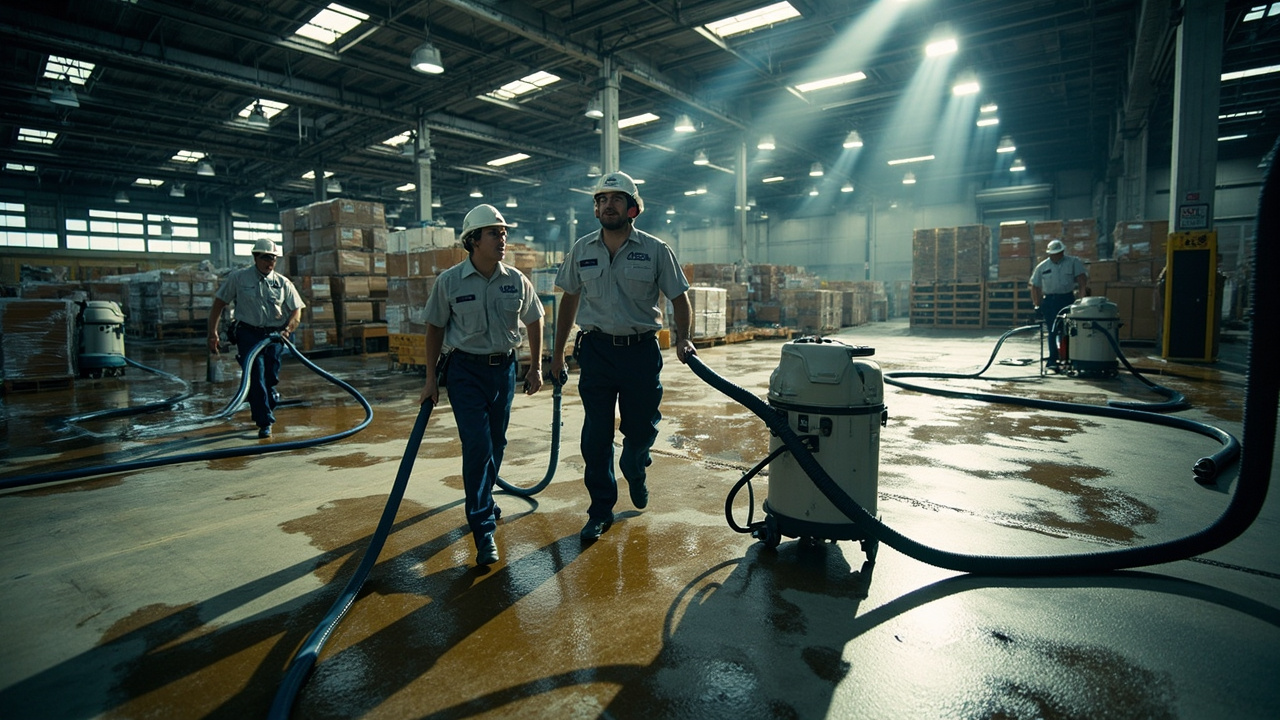
Fortress Water Damage Restoration Tampa uses truck-mounted extractors capable of removing 200 gallons per minute, not the portable shop-vacs residential teams rely on. We deploy trailer-mounted desiccant dehumidifiers designed for 50,000-square-foot spaces, not consumer-grade refrigerant units. We bring industrial air movers rated for Class 3 and Class 4 water intrusion, which means we can handle the saturated concrete, soaked insulation, and standing water in below-grade loading docks that most restoration companies cannot touch.

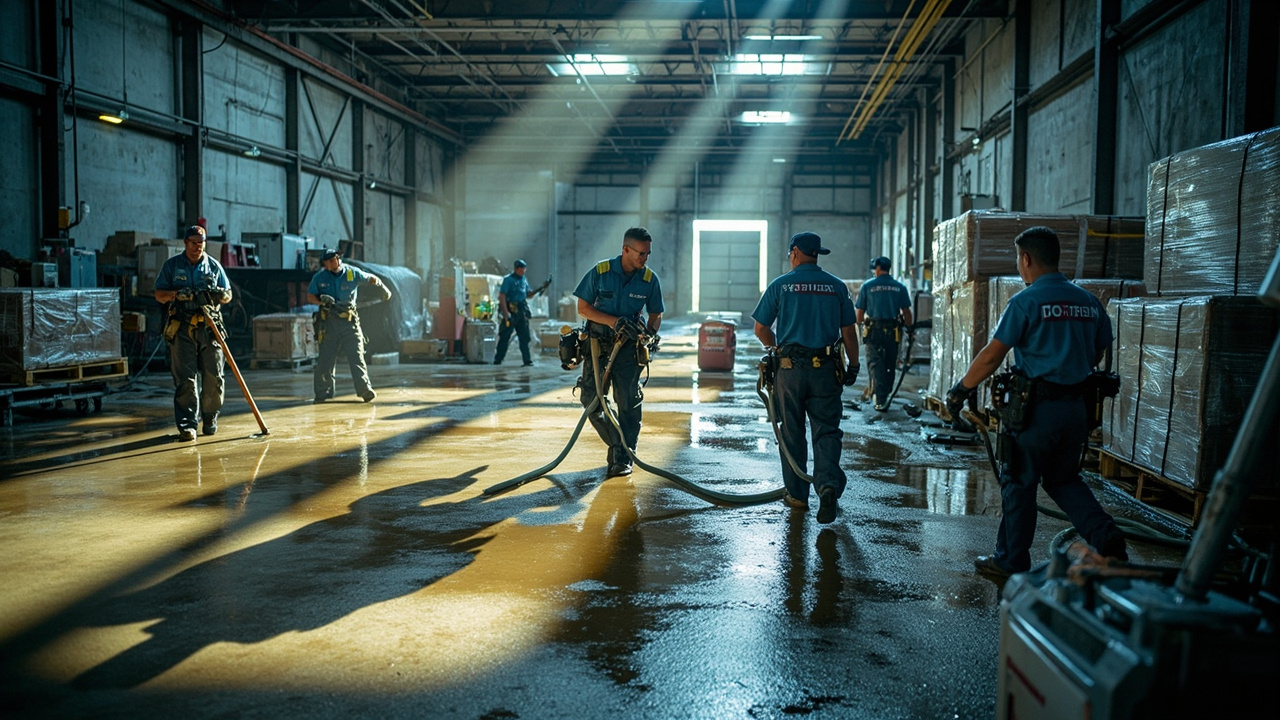
Our team coordinates with your property manager, your insurer, and your logistics team to create controlled drying zones. We isolate sections of your warehouse so you can maintain partial operations while we extract, dry, and sanitize the affected areas. We document moisture readings with thermal imaging and hygrometers at every phase to satisfy your commercial insurer's requirements for claims substantiation.

We also handle the contamination problem. Floodwater in Tampa often carries sewage, petroleum runoff from Port operations, and agricultural chemicals from upstream tributaries. We follow EPA and OSHA protocols for Category 3 water, which means full PPE, antimicrobial treatments, and proper disposal of porous materials that cannot be salvaged. We do not cut corners, because your employees and your inventory are at risk if we do.

How We Execute Warehouse Flood Recovery in Tampa

Warehouse Flood Restoration in Tampa – Minimizing Downtime for Port-Adjacent Industrial Operations
01

Immediate Water Extraction

We arrive with truck-mounted extraction units and portable submersible pumps within two hours of your call. Our crew removes standing water from the slab, loading docks, and below-grade areas first to stop secondary damage. We prioritize electrical rooms, server closets, and climate-controlled zones to protect critical infrastructure. Extraction stops the damage progression, which is the foundation of every successful industrial flood recovery.
02

Structural Drying and Monitoring

After extraction, we deploy desiccant dehumidifiers and high-velocity air movers to dry concrete slabs, drywall, insulation, and structural framing. We take moisture readings every 12 hours using infrared cameras and pin-type meters to track drying progress. This phase typically runs 72 to 120 hours depending on saturation levels and humidity. We adjust equipment placement daily to ensure uniform drying across the entire affected area and prevent mold growth.
03

Sanitization and Documentation

Once moisture levels return to normal, we apply EPA-registered antimicrobial treatments to all affected surfaces to kill bacteria, viruses, and mold spores introduced by floodwater. We provide a full moisture map, photo documentation, and a certificate of completion for your insurance carrier. This documentation is critical for claim approval and for proving due diligence to your landlord or your own liability insurer if you face downstream claims from clients.

Why Tampa Warehouse Operators Choose Fortress for Commercial Flood Remediation

You need a contractor who understands the Port of Tampa's operational tempo, the flood dynamics of the Hillsborough River watershed, and the insurance claim process for commercial properties in Hillsborough County. Fortress Water Damage Restoration Tampa has worked with distribution centers along Adamo Drive, cold storage facilities near the Port, and manufacturing plants in the East Tampa industrial zone.

We understand that Tampa's commercial real estate market means you are probably leasing your space, which creates a three-party coordination problem between you, your landlord, and your insurer. We have experience navigating those relationships and providing the documentation each party needs to approve the work and process the claim.

We also understand Tampa's building stock. Many warehouses in this market were built in the 1970s and 1980s with single-ply membrane roofing, minimal insulation, and outdated drainage systems. When those buildings flood, the water does not just sit on the slab. It wicks into wall cavities, saturates batt insulation, and compromises the building envelope in ways that create long-term mold and structural problems if not addressed correctly.

Fortress follows IICRC S500 standards for commercial water damage restoration, which means we classify the water source, assess the evaporation load, and calculate the correct equipment density for your specific building. We do not guess. We measure, document, and adjust our approach based on real-time data.

We also coordinate with your operations team to minimize disruption. If you need us to work night shifts so your day shift can operate, we do that. If you need us to isolate half the building so you can keep shipping, we do that. Speed matters, but so does keeping your business running.

What to Expect When You Call Fortress for Industrial Flood Recovery

Rapid Deployment and Response Time

We dispatch a crew within two hours of your call, 24 hours a day. Our trucks are pre-loaded with industrial extraction equipment, PPE, and moisture monitoring tools so we can start work immediately. We understand that every hour of delay increases your loss, so we treat warehouse flooding as the time-sensitive emergency it is. We arrive ready to work, not ready to quote. You get equipment on-site and water moving off your property before the damage spreads to unaffected areas or inventory.

Comprehensive Damage Assessment and Scope Documentation

Before we start extraction, we walk the entire affected area with your facility manager to document the damage, identify safety hazards, and develop a mitigation plan. We use thermal imaging to find hidden moisture in walls, ceilings, and subfloors that you cannot see. We classify the water source per IICRC standards and determine whether you are dealing with clean water, gray water, or contaminated black water. This assessment drives our safety protocols and determines which materials can be saved versus which need removal. We provide this documentation to your insurer within 24 hours.

Certified Drying and Restoration to Pre-Loss Condition

Our goal is to return your warehouse to operational condition as quickly as possible without compromising quality. We dry the structure to IICRC standards, which means moisture levels in all materials return to their pre-loss state. We do not leave until our hygrometers confirm the space is dry, which protects you from mold growth, odor problems, and structural degradation down the road. We also coordinate any necessary repairs like drywall replacement, flooring restoration, or electrical work through our licensed subcontractors so you have one point of contact for the entire project.

Insurance Coordination and Claims Support

We work directly with your commercial property insurer to streamline the claims process. We provide detailed photo documentation, moisture maps, equipment logs, and a line-item scope of work that satisfies the insurer's requirements for claim approval. We also provide a certificate of completion and a final moisture report that proves the mitigation was successful. This documentation protects you from future liability if mold or structural issues emerge later. We understand that commercial claims are more complex than residential claims, and we have the experience to navigate that process efficiently.

Frequently Asked Questions

You Have Questions,
We Have Answers

What is the average cost of remediation? +

Warehouse flood restoration costs vary by square footage, contamination level, and structural damage. Clean water extraction starts lower, while Category 3 (sewage or storm surge) costs significantly more due to disposal and sanitization requirements. Tampa warehouses near the Hillsborough River or low-lying industrial zones often face higher costs due to black water exposure and humidity-related secondary damage. Structural drying, inventory loss, and business interruption mitigation add to total expense. Most commercial policies cover restoration if you document losses immediately and maintain compliance with your insurer's timelines. Request a detailed scope of work and line-item estimate before work begins to control costs and justify claims.

Who is the alternative to SERVPRO? +

Several qualified alternatives to SERVPRO operate in Tampa's commercial restoration market. Local firms often provide faster response times to warehouses in zones like Port Tampa Bay or Ybor City industrial corridors. Independent restoration contractors can offer more flexible pricing structures and dedicated project managers for complex warehouse losses. Look for companies holding IICRC certifications, commercial liability coverage, and direct billing relationships with major insurers. Tampa's high humidity demands contractors experienced with mold prevention protocols and industrial-scale dehumidification. Vet contractors by checking their track record with warehouse clients, equipment inventory, and capacity to handle your square footage without subcontracting critical phases.

What's the difference between remediation and restoration? +

Remediation removes contamination and hazards. Restoration rebuilds the space to pre-loss condition. In warehouse flood scenarios, remediation means extracting water, removing contaminated materials, sanitizing surfaces, and controlling mold. Restoration includes drywall replacement, concrete sealing, electrical system repair, and HVAC reinstallation. Tampa warehouses flooded by storm surge require extensive remediation due to saltwater and debris contamination before restoration begins. Many commercial losses need both services sequenced properly. Remediation must pass inspection and moisture testing before restoration crews start rebuild work. Skipping thorough remediation in Tampa's humid climate creates mold reservoirs inside rebuilt walls. Separate contractors may handle each phase, or full-service firms manage both under one project scope.

How do restoration companies get paid? +

Restoration companies typically bill through direct insurance assignment or upfront client payment with reimbursement. Direct billing means the contractor invoices your insurer after you sign an assignment of benefits, streamlining payment but reducing your control over negotiations. Alternatively, you pay the contractor and file claims yourself, maintaining leverage over settlement amounts. Many Tampa warehouse operators use commercial claims adjusters to negotiate on their behalf. Emergency mitigation services often require immediate payment or deposit to mobilize equipment. Large warehouse losses may involve progress billing as phases complete. Review your commercial policy for preferred vendor requirements and billing procedures. Some insurers mandate competitive bids for losses above specific thresholds before authorizing payment.

What are the three types of remediation? +

The three water damage categories define remediation scope. Category 1 is clean water from supply lines or rain, requiring extraction and drying. Category 2 is gray water from appliances or HVAC condensate, containing contaminants that need sanitization. Category 3 is black water from sewage, storm surge, or floodwater, demanding full removal of porous materials and biocide treatment. Tampa warehouses near the bay or tidal zones frequently face Category 3 losses during hurricanes. Each category escalates labor, disposal costs, and safety protocols. Misclassifying water type leads to inadequate remediation and liability exposure. Professional assessment determines category based on source, contact time, and contamination level before work begins.

Who pays for remediation? +

The property owner or leaseholder pays for remediation, though commercial insurance often reimburses covered losses. Your warehouse policy typically covers sudden and accidental water damage but excludes flood without separate flood insurance. If a tenant's negligence caused the loss, their liability policy may cover your remediation costs. Subrogation allows your insurer to recover costs from responsible third parties after paying your claim. Tampa warehouses in FEMA flood zones need National Flood Insurance Program policies or private flood coverage. Document all damage immediately with photos and moisture readings. Delayed remediation voids many policy provisions and allows mold exclusions to apply. Review your policy's mitigation requirements and deductible structure before loss occurs.

What are the pros and cons of SERVPRO? +

SERVPRO offers brand recognition, national resources, and established insurer relationships. Franchises vary in quality, equipment inventory, and response capacity. Pros include 24/7 availability, standardized processes, and multi-location support for regional losses. Cons include franchise model inconsistency, potential for higher pricing due to brand overhead, and less flexibility in negotiations. Some Tampa warehouse operators report slower response times during hurricane season when demand spikes across all franchises. Local independent contractors often provide dedicated account management and competitive pricing for repeat commercial clients. SERVPRO's insurer partnerships can expedite direct billing but may limit your vendor choice. Evaluate the specific franchise serving your Tampa warehouse location, not just the national brand reputation.

Who is the biggest restoration company? +

SERVPRO claims the largest franchise network in North America, with over 2,000 locations. Other major players include Paul Davis Restoration, BELFOR, and regional chains. Size does not guarantee quality or capacity for your warehouse loss. Tampa's commercial market includes both national franchises and established independent firms with dedicated industrial equipment. Large companies offer geographic reach for multi-site losses but may subcontract local work. Smaller firms often provide faster response and direct owner involvement. For warehouse restoration, equipment capacity and commercial experience matter more than brand size. Verify the contractor's ability to handle your specific square footage, contamination type, and business continuity requirements before signing agreements.

Has SERVPRO ever been sued? +

SERVPRO franchises have faced lawsuits, like most large service networks. Legal actions range from billing disputes and contract disagreements to workmanship claims and employment issues. Individual franchise legal history varies widely since each operates independently. Public records show cases in multiple states, though outcomes and merit differ. Tampa warehouse owners should verify the specific franchise's track record, not rely on national brand reputation alone. Request references from commercial clients, check local court records, and verify liability coverage limits. All contractors face occasional disputes in the restoration industry. Focus on the local operator's insurance bonds, complaint history with the Better Business Bureau, and willingness to provide a detailed contract with clear scope and pricing.

How likely is mold to come back after remediation? +

Mold returns when moisture sources remain unresolved or remediation was incomplete. Proper warehouse remediation includes identifying the water source, removing affected materials, treating surfaces with antimicrobials, and verifying dry conditions with moisture meters. Tampa's humidity accelerates regrowth if relative humidity stays above 60 percent or leaks persist. Failed remediation often skips hidden moisture in concrete slabs, wall cavities, or HVAC systems. Post-remediation testing and clearance inspections reduce recurrence risk. Warehouse operators must maintain dehumidification, fix roof leaks promptly, and monitor for condensation on cold surfaces. Mold can reappear within 48 hours if conditions allow. Hire IICRC-certified remediators who follow industry protocols and provide documentation of moisture levels before closeout.

Why Tampa's Port Proximity and Hurricane Exposure Demand Specialized Warehouse Water Mitigation

Tampa sits at the intersection of three major flood risks that most inland cities never face. Storm surge from the Gulf of Mexico can push eight feet of seawater into low-lying industrial areas during a major hurricane. The Hillsborough River floods regularly during summer thunderstorms, and tidal backflow from Tampa Bay can overwhelm aging stormwater systems in older warehouse districts. These risks are not theoretical. The National Weather Service identifies Tampa as one of the most vulnerable metro areas in the United States for hurricane-driven storm surge, and the industrial corridor along Adamo Drive and East Tampa has flooded multiple times in the past decade. Warehouse water mitigation here is not optional. It is a business continuity necessity.

Fortress Water Damage Restoration Tampa has worked with warehouse operators, third-party logistics providers, and distribution centers throughout Hillsborough County. We understand the local building codes, the flood zone maps, and the insurance claim process specific to commercial properties in this market. We also understand the urgency. Tampa is a logistics hub for the entire Southeast, which means your warehouse downtime does not just affect you. It affects your clients, your shipping partners, and your reputation. Choosing a local contractor who understands the Port's operational tempo and the region's flood dynamics is the difference between a three-day recovery and a three-week disaster.
Water Damage Restoration Services in The Tampa Area

We proudly serve the entire Tampa area with rapid-response water damage restoration services. Whether you’re downtown, in the suburbs, or operating a business near the bay, our expert team is just minutes away. Use the map below to view our service zone or find our nearest location. We’re ready to respond wherever you need us. Your peace of mind is only a call or click away.

Address:
Fortress Water Damage Restoration Tampa, 4830 W Kennedy Blvd #600, Tampa, FL, 33609

Additional Services We Offer

Our news updates

Latest Articles & News from The Blogs

How Clogged Gutters and Downspouts Can Lead to a Flooded Living Room in Wooded Lutz Neighborhoods When heavy afternoon thunderstorms…

How Clogged Gutters and Downspouts Can Lead to a Flooded Living Room in Wooded Lutz Neighborhoods

How Clogged Gutters and Downspouts Can Lead to a Flooded Living Room in Wooded Lutz Neighborhoods When heavy afternoon thunderstorms…

Why You Should Never Use Bleach to Clean Up Mold After a Leak in Your Tampa Palms Home

Why You Should Never Use Bleach to Clean Up Mold After a Leak in Your Tampa Palms Home When you…

Dealing With Water Damage in Your Backyard ADU or Guest House in Seminole Heights

Dealing With Water Damage in Your Backyard ADU or Guest House in Seminole Heights Water damage in a Seminole Heights…

Contact Us

Every hour of delay increases your loss. Call Fortress Water Damage Restoration Tampa at (656) 219-8088 for immediate warehouse flood restoration. We deploy industrial-scale equipment, coordinate with your insurer, and get your facility back online fast.