



Menu

Business Interruption Mitigation in Tampa – Minimize Downtime and Protect Revenue with Rapid Water Damage Response

When water damage threatens your Tampa business, every hour of delay costs you revenue and customer trust. Fortress Water Damage Restoration Tampa delivers business continuity restoration with industrial-grade extraction, structural drying protocols, and coordinated project management that keeps your operations moving.

Slider Image 1
Slider Image 2
Slider Image 3
Slider Image 4
Slider Image 5
Slider Image 7
Slider Image 8
Slider Image 9
Slider Image 10
Slider Image 11

How Tampa's Storm Surge and Plumbing Infrastructure Failures Threaten Your Business Operations

Tampa businesses face unique water damage risks that directly impact profitability. The city's proximity to Tampa Bay creates elevated storm surge exposure during hurricane season, while aging municipal water infrastructure in older commercial districts like Ybor City and Seminole Heights frequently triggers supply line failures. Add Florida's year-round humidity and you create conditions where mold colonization begins within 48 hours of a water intrusion event.

Commercial water damage does not wait for convenient timing. A burst pipe in your retail space floods inventory. A roof leak saturates your office ceiling tiles and electronics. A sewage backup contaminates your restaurant kitchen. Each scenario triggers the same cascade: operational shutdown, employee displacement, customer access loss, and revenue interruption.

The financial impact multiplies hourly. You lose immediate sales revenue. You pay idle employees. You face lease obligations on unusable space. You risk regulatory violations if contaminated water affects your operations. You damage client relationships when you cannot fulfill orders or appointments.

Reducing operational downtime requires immediate water extraction, antimicrobial treatment, and structural drying executed according to IICRC S500 standards. Generic restoration approaches extend your closure timeline. You need a provider who understands commercial loss scenarios and deploys the equipment capacity to process large-scale water damage quickly. The difference between a three-day closure and a two-week closure determines whether your business survives the incident or becomes another Tampa commercial property casualty statistic.

How Tampa's Storm Surge and Plumbing Infrastructure Failures Threaten Your Business Operations
The Commercial Water Damage Response Protocol That Prioritizes Business Continuity

The Commercial Water Damage Response Protocol That Prioritizes Business Continuity

Business continuity restoration begins before we arrive on site. When you contact Fortress Water Damage Restoration Tampa, you speak directly with a project manager who evaluates your loss scenario, operational priorities, and facility layout. We dispatch extraction crews within 90 minutes carrying thermal imaging cameras, truck-mounted extraction units, and commercial-grade dehumidifiers sized for your square footage.

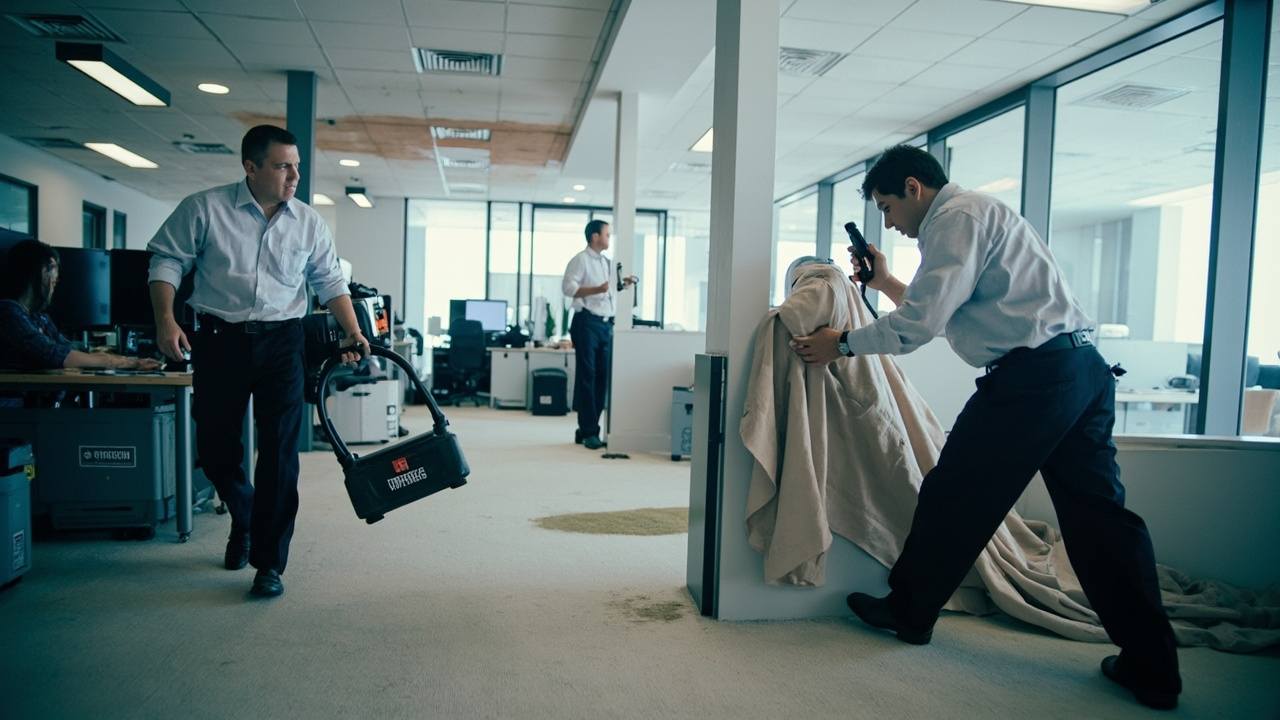
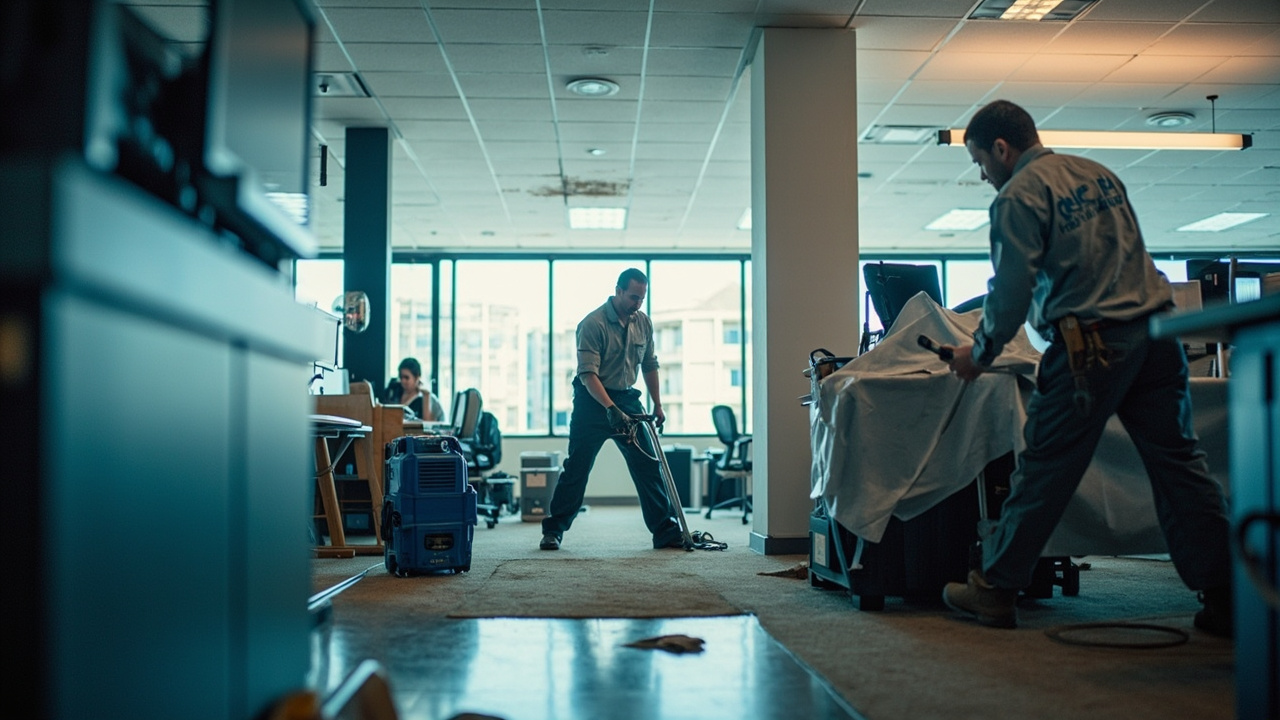
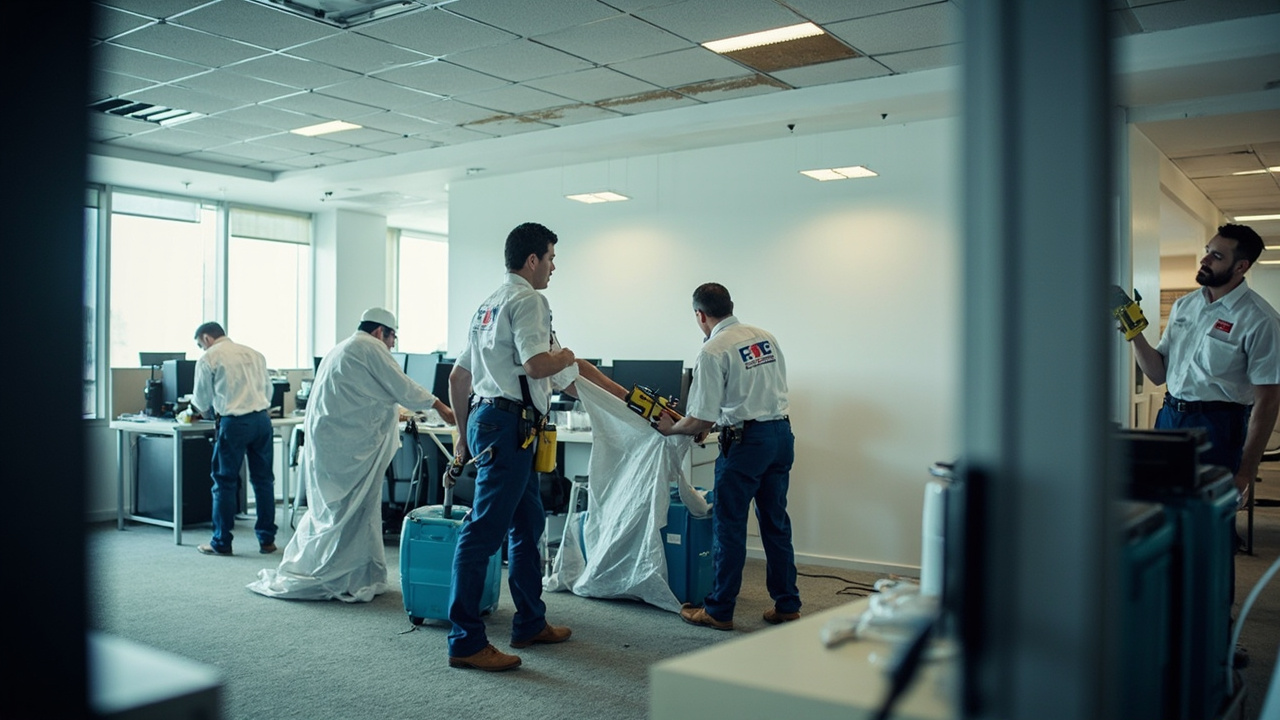
Our first priority is stopping the water source and establishing containment barriers that allow unaffected areas to remain operational. We use plastic sheeting and negative air pressure to isolate damaged zones, preventing cross-contamination and allowing your staff to work in adjacent spaces. This containment strategy cuts your functional space loss by 40 to 60 percent compared to whole-building shutdowns.

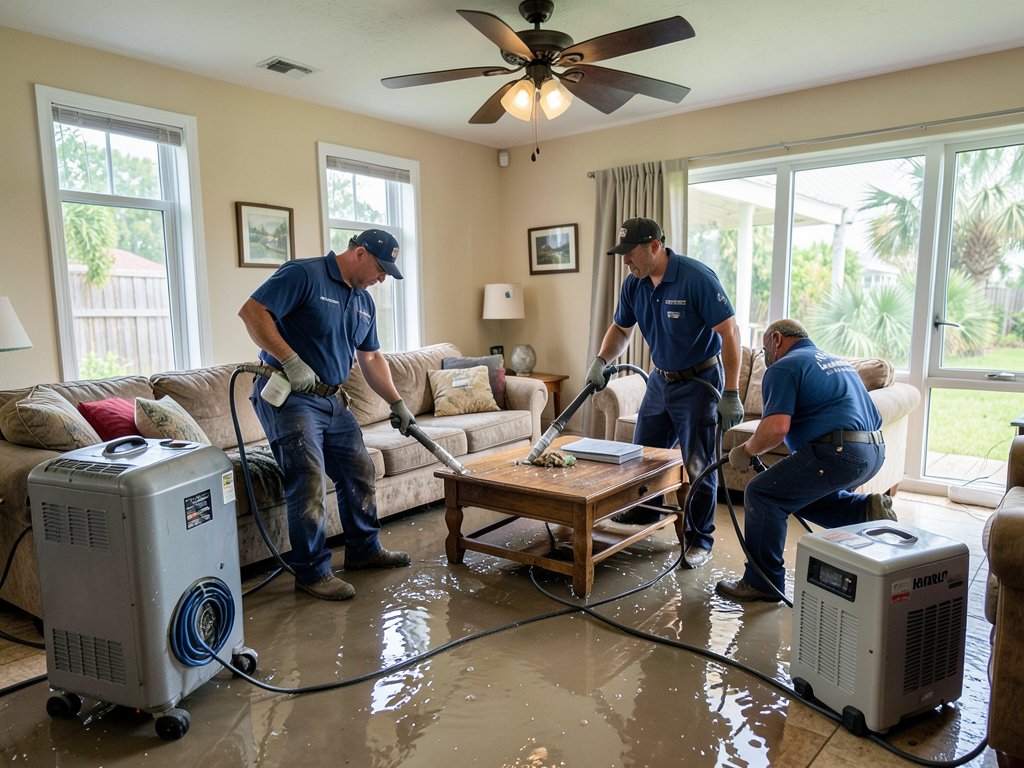
We execute water extraction using weighted wands that pull moisture from carpet padding and subflooring without removing finished materials unnecessarily. Our extraction units process 200 gallons per minute, clearing standing water in hours rather than days. We follow extraction with psychrometric monitoring, measuring air moisture content and adjusting dehumidifier placement to achieve optimal drying rates.

For businesses requiring immediate reopening, we coordinate phased restoration that prioritizes customer-facing spaces first. Your lobby and sales floor dry while we work on back-of-house areas overnight. We schedule noisy equipment operation during your closed hours and position air movers to avoid disrupting phone systems or computer networks.

Mitigating commercial downtime demands coordination between restoration, insurance adjusters, and your operational team. We document every step with photo logs and moisture readings that support your business interruption insurance claim while maintaining the restoration pace your revenue timeline requires.

What Happens During Your Commercial Water Damage Restoration

Business Interruption Mitigation in Tampa – Minimize Downtime and Protect Revenue with Rapid Water Damage Response
01

Emergency Assessment and Containment

We arrive within 90 minutes to evaluate water category, identify the source, and establish containment zones that protect unaffected areas. Our thermal imaging cameras locate hidden moisture in wall cavities and ceiling plenums. We document baseline moisture levels in structural materials and create a drying plan specific to your building envelope and HVAC system configuration. You receive an immediate timeline estimate for each restoration phase.
02

Water Extraction and Structural Drying

Truck-mounted extractors remove standing water from all surface types including tile, concrete, and low-pile commercial carpet. We inject dehumidifiers and air movers calibrated to your space volume, targeting a drying rate that prevents secondary damage while minimizing disruption. Daily psychrometric readings track progress and adjust equipment placement. Antimicrobial treatments prevent microbial amplification in HVAC ductwork and porous materials. We maintain detailed moisture logs for insurance documentation.
03

Final Verification and Reopening

We verify structural drying using moisture meters that confirm materials have returned to baseline readings. All affected areas undergo final antimicrobial fogging and air quality testing. You receive a certificate of completion documenting moisture levels, equipment runtime logs, and photographic evidence of pre-loss and post-restoration conditions. We coordinate with your team to schedule equipment removal during off-hours and conduct a final walkthrough confirming your space is ready for full operations.

Why Tampa Businesses Choose Local Expertise for Water Damage Response

Minimizing business downtime requires a restoration provider who understands Tampa's commercial building stock and regulatory environment. Fortress Water Damage Restoration Tampa operates exclusively in Hillsborough County, giving us detailed knowledge of construction types common to Tampa's commercial corridors. We know which downtown high-rises use post-tension concrete slabs that require specialized drying protocols. We understand how the masonry construction prevalent in historic Ybor City warehouses retains moisture differently than modern tilt-up concrete in Westshore business parks.

Our project managers maintain relationships with Tampa building inspectors and understand local code requirements for commercial restoration projects. When water damage affects fire-rated assemblies or requires electrical system remediation, we coordinate permit applications and inspections that prevent reopening delays. We work directly with your insurance adjuster and maintain documentation standards that streamline claim processing and reduce disputes over covered damages.

Local presence means we stock equipment inventories sized for Tampa's commercial restoration demands. Our warehouse maintains 40 industrial dehumidifiers, 60 air movers, and portable generators that power equipment when building electrical systems are compromised. We do not wait for equipment shipments from regional hubs. We arrive with the capacity your project requires and deploy backup units when scope expands.

Tampa business owners choose us because we understand the financial pressure you face during facility closures. We provide transparent timelines, daily progress updates, and flexible scheduling that accommodates your operational needs. Our crews work overnight and weekends to compress restoration timelines when your business model cannot tolerate extended closures. We treat your revenue protection as our primary performance metric.

What to Expect When You Contact Fortress Water Damage Restoration Tampa

Immediate Response and Arrival Timeline

When you call our emergency line, you speak with a project manager within minutes, not an answering service. We dispatch crews within 90 minutes to any Tampa location. Our rapid response window matters because each hour of water exposure increases structural damage severity and extends your ultimate drying timeline. Night and weekend calls receive identical response protocols. We maintain staffing levels that support multiple simultaneous dispatches across Tampa's commercial districts, so you never wait in a service queue while your facility sustains progressive damage.

Comprehensive Site Evaluation and Loss Documentation

Our initial assessment includes thermal imaging of all affected walls, moisture mapping of flooring systems, and air quality baseline testing. We photograph and document all damaged inventory, fixtures, and finishes. You receive a written scope of work within four hours detailing equipment deployment, estimated drying timeline, and cost projections. This documentation serves as your insurance claim foundation and provides the detailed timeline your business needs for customer communication and operational planning. We update scope documents daily as conditions change or hidden damage reveals itself during the drying process.

Professional Grade Results That Meet Industry Standards

Your restored facility meets IICRC S500 drying standards with verified moisture readings documented in each affected material. All structural components return to pre-loss moisture content levels, preventing long-term issues like delamination, warping, or hidden mold growth. We provide air quality clearance testing confirming your indoor environment is safe for employees and customers. Finished surfaces receive antimicrobial treatment and odor neutralization. You receive a restoration certificate suitable for insurance submission, lease compliance, or regulatory inspection that documents the professional remediation your facility received.

Post-Restoration Monitoring and Humidity Control Guidance

We schedule a follow-up inspection 30 days after equipment removal to verify materials remain at stable moisture levels. This secondary check catches any moisture rebound from hidden sources or inadequate initial drying. We provide humidity control recommendations specific to your facility type and Tampa's climate conditions. For businesses with sensitive inventory or equipment, we offer ongoing moisture monitoring plans using data logging equipment that alerts you to elevated readings before damage occurs. Your project manager remains available for questions about material performance or climate control adjustments as your facility returns to normal operations.

Frequently Asked Questions

You Have Questions,
We Have Answers

What does business interruption coverage cover? +

Business interruption coverage reimburses lost income when your Tampa business cannot operate due to a covered peril like water damage, fire, or storm damage. It covers net income you would have earned, continuing fixed expenses like rent and payroll, and relocation costs if you must operate elsewhere temporarily. Coverage applies only after physical property damage triggers the claim. In Tampa's hurricane-prone climate, this coverage becomes critical when roof leaks or flooding shut down operations. The policy typically includes a waiting period before benefits begin and caps the reimbursement duration at 12 to 24 months.

What is a mitigation plan in business? +

A mitigation plan identifies business risks and outlines specific actions to reduce financial exposure. For Tampa businesses, this includes protocols for water damage response, backup power systems for hurricane outages, and supplier redundancies. The plan documents who executes each step, communication chains, and recovery timelines. Effective mitigation reduces downtime after disruptions like pipe bursts or storm damage. Insurance carriers often require documented mitigation plans to calculate premiums. Commercial properties in flood-prone Tampa neighborhoods benefit from elevated equipment, waterproof barriers, and 24-hour monitoring systems. The plan should be tested annually and updated as operations change.

What is not covered under a BOP policy? +

Business Owner Policies exclude flood damage, earthquake damage, employee lawsuits, professional liability, worker injuries, and vehicle accidents. In Tampa, flood exclusions matter most. Standard BOPs do not cover losses from government-mandated closures, utility failures occurring off-premises, or undocumented inventory. Mold damage resulting from neglected maintenance gets denied. If a water leak goes unreported for weeks in a Tampa warehouse, the resulting claim may be rejected. BOPs also exclude intentional acts, nuclear hazards, and most cyber incidents. You need separate flood insurance, commercial auto policies, and workers compensation to fill these gaps in coverage.

What actions can be taken to reduce or mitigate business risks? +

Reduce business risks through regular property inspections, documented maintenance logs, employee training, and rapid response protocols. Tampa businesses should inspect roofs biannually before hurricane season, maintain HVAC systems to prevent condensation damage, and install water detection sensors in mechanical rooms. Create vendor redundancies so one supplier failure does not halt production. Back up data off-site and establish remote work capabilities. Train staff on emergency procedures and shutoff valve locations. Install backflow preventers to protect against Tampa's aging sewer infrastructure. Document all mitigation efforts with photos and invoices. Insurers reduce premiums when you demonstrate proactive risk management through auditable records.

What is not covered under business interruption? +

Business interruption excludes losses from undamaged property, pre-existing financial struggles, pandemics without physical damage, utility outages occurring off-site, and government closures unrelated to property damage. If your Tampa restaurant closes due to a health code violation rather than water damage, the claim gets denied. Losses from poor management decisions, seasonal fluctuations, or lack of customers do not qualify. Most policies exclude communicable disease closures unless fire or water damage occurs first. Preventable losses from deferred maintenance, like a roof leak you ignored for months, may be excluded. Read your policy's specific exclusions for Tampa-area perils.

What is the 80% rule in insurance? +

The 80% rule requires you to insure your property for at least 80% of its replacement value to avoid penalties during partial losses. If your Tampa commercial building is worth $1 million and you only insure it for $600,000, you become a co-insurer for the shortfall. When you file a $200,000 water damage claim, the insurer reduces payment proportionally. You should have carried $800,000 in coverage. The formula divides your coverage amount by the required 80%, then multiplies by the loss. This penalty applies to business interruption and property claims. Get annual appraisals to maintain adequate coverage levels.

What are 5 examples of mitigation? +

Five mitigation examples for Tampa businesses include installing hurricane shutters, elevating critical equipment above flood zones, maintaining emergency generators, creating supplier redundancies, and documenting rapid response protocols. A Westshore office might elevate servers to second-floor space. A Port Tampa warehouse could install backflow preventers to block sewage surges during storms. Retail operations benefit from off-site inventory storage and cross-trained staff who can operate from alternate locations. Regular roof inspections prevent small leaks from becoming major water damage events. Each measure reduces both claim frequency and insurance premiums while maintaining business continuity during Tampa's severe weather season.

What are the three types of mitigation? +

The three mitigation types are structural, non-structural, and operational. Structural mitigation includes physical building modifications like reinforced roofing, flood barriers, and elevated foundations common in Tampa coastal zones. Non-structural mitigation involves securing equipment, anchoring inventory racks, and installing surge protectors. Operational mitigation encompasses emergency procedures, staff training, remote work capabilities, and supply chain redundancies. Tampa businesses need all three types. A structural upgrade might be impact-resistant windows. Non-structural could mean strapping HVAC units. Operational includes documented water damage response protocols with 24-hour vendor contacts. Layering these approaches creates comprehensive protection against business interruption risks.

What are the 5 mitigation strategies? +

The five mitigation strategies are avoidance, reduction, transfer, acceptance, and contingency planning. Avoidance means eliminating the risk, like not storing inventory in Tampa's known flood zones. Reduction involves minimizing impact through regular maintenance and monitoring systems. Transfer shifts risk through insurance policies or outsourcing vulnerable operations. Acceptance acknowledges minor risks where mitigation costs exceed potential losses. Contingency planning creates documented response protocols for when risks materialize. Tampa businesses should transfer catastrophic risks through adequate insurance, reduce operational risks through preventive maintenance, and develop contingency plans for hurricane season. Combine multiple strategies for comprehensive protection against revenue loss.

What are the exclusions for business interruption insurance? +

Business interruption insurance excludes flood without separate coverage, pandemic-related closures, utility failures occurring off-premises, undamaged property losses, and pre-existing financial issues. In Tampa, exclusions for named storms may apply unless you carry windstorm coverage. Losses from cyberattacks, employee strikes, or voluntary closures do not qualify. Government shutdowns unrelated to property damage get denied. If a competitor opens nearby and reduces your revenue, that is not covered. Gradual deterioration from deferred maintenance, like slow roof leaks in Tampa's humid climate, may be excluded. Preventable losses from poor management or inadequate maintenance often face denial during claims adjustment.

Why Tampa's Hurricane Exposure and Sea Level Geography Make Commercial Water Damage Planning Critical

Tampa sits at the convergence of the Hillsborough River and Tampa Bay, creating dual flood exposure for commercial properties in low-lying districts. Storm surge from Gulf hurricanes pushes seawater inland through downtown streets, while heavy rainfall overwhelms aging stormwater infrastructure in older commercial zones. Businesses near the Riverwalk and Channelside face Category 1 storm surge projections exceeding four feet. This geographic vulnerability means Tampa commercial property owners cannot rely on reactive water damage response alone. You need a restoration partner who maintains equipment capacity for multiple simultaneous storm-related deployments and understands how saltwater intrusion requires different treatment protocols than freshwater flooding. Business continuity restoration in Tampa demands providers who stock corrosion inhibitors and maintain relationships with commercial building engineers familiar with our coastal construction challenges.

Fortress Water Damage Restoration Tampa operates under Florida state contractor regulations and maintains liability coverage specific to commercial restoration work. Our technicians hold IICRC certifications in water damage restoration and applied structural drying, meeting the industry standards Tampa business owners should demand from any restoration provider. We coordinate regularly with Hillsborough County building officials and understand the permit requirements that affect commercial restoration timelines. When your facility requires electrical, HVAC, or structural repairs following water damage, we work with licensed trade contractors who respond to our project schedules and understand the urgency your business timeline demands. Local expertise matters because out-of-market restoration companies lack the established relationships and regulatory knowledge that prevent permitting delays and code compliance issues from extending your closure timeline.
Water Damage Restoration Services in The Tampa Area

We proudly serve the entire Tampa area with rapid-response water damage restoration services. Whether you’re downtown, in the suburbs, or operating a business near the bay, our expert team is just minutes away. Use the map below to view our service zone or find our nearest location. We’re ready to respond wherever you need us. Your peace of mind is only a call or click away.

Address:
Fortress Water Damage Restoration Tampa, 4830 W Kennedy Blvd #600, Tampa, FL, 33609

Additional Services We Offer

Our news updates

Latest Articles & News from The Blogs

Lorem ipsum dolor sit amet. Aut expedita quaerat quo eligendi numquam et laudantium perspiciatis qui minima expedita rem consequatur ducimus.…

Test Blog 4

Lorem ipsum dolor sit amet. Aut expedita quaerat quo eligendi numquam et laudantium perspiciatis qui minima expedita rem consequatur ducimus.…

Test Blog 3

Lorem ipsum dolor sit amet. Aut expedita quaerat quo eligendi numquam et laudantium perspiciatis qui minima expedita rem consequatur ducimus.…

Test Blog 2

Lorem ipsum dolor sit amet. Aut expedita quaerat quo eligendi numquam et laudantium perspiciatis qui minima expedita rem consequatur ducimus.…

Contact Us

Every hour matters when water threatens your revenue. Call Fortress Water Damage Restoration Tampa now at (656) 219-8088 for immediate dispatch and business continuity restoration that minimizes your operational downtime. Our project managers are standing by to coordinate your emergency response.