



Menu

Sanitization & Odor Removal in Tampa – Eliminate Contamination and Restore Air Quality After Water Damage

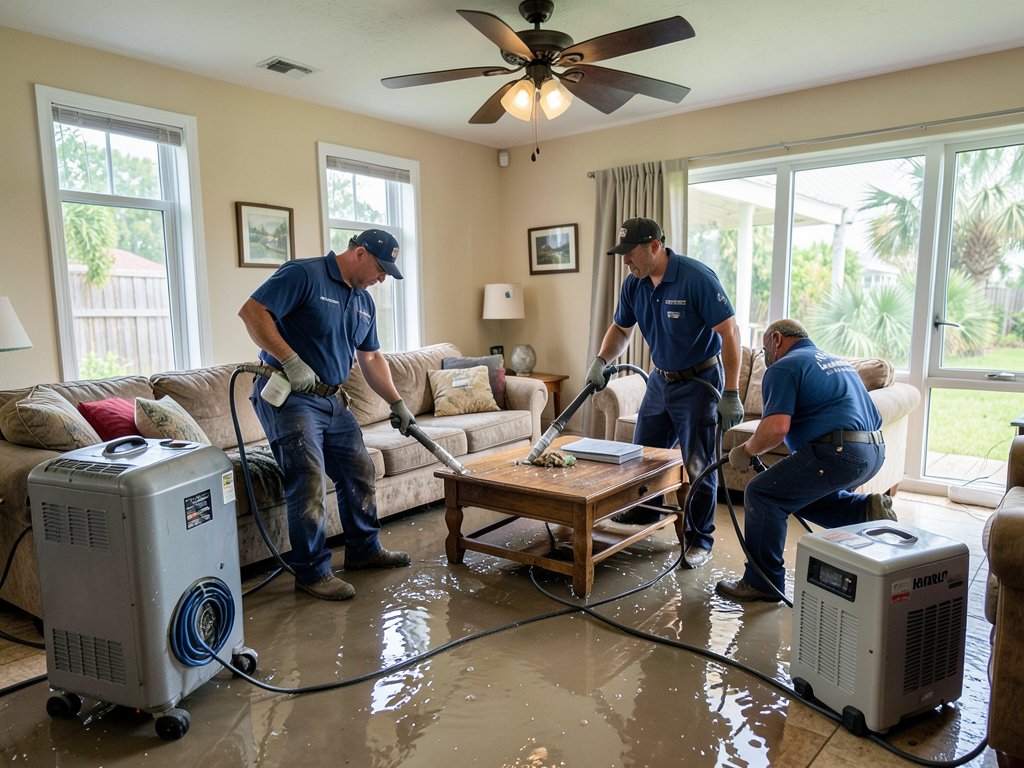
Professional antimicrobial treatment and odor abatement services that neutralize bacteria, mold spores, and persistent water damage smells using hospital-grade disinfection protocols designed for Tampa's humid subtropical environment.

Slider Image 1
Slider Image 2
Slider Image 3
Slider Image 4
Slider Image 5
Slider Image 7
Slider Image 8
Slider Image 9
Slider Image 10
Slider Image 11

Why Water Damage in Tampa Creates Dangerous Contamination and Lasting Odors

Tampa's year-round humidity and average temperatures above 70 degrees create perfect breeding conditions for bacterial growth and mold colonization after water intrusion. When flooding occurs from hurricane storm surge in neighborhoods like Hyde Park or Seminole Heights, the water often carries sewage, chemical runoff, and organic debris that saturate porous materials. Within 24 hours, microbial amplification begins. Within 48 hours, mold spores establish colonies in drywall, insulation, and subflooring.

The smell you notice after water damage is not just unpleasant. It signals active decomposition, volatile organic compounds from mold metabolism, and bacterial biofilms forming on surfaces. Standard cleaning does not address contamination at the molecular level. Surface wiping leaves microorganisms embedded in porous substrates where they continue reproducing and releasing mycotoxins into your breathing air.

Tampa's older construction stock, particularly pre-1980 homes in Ybor City and Tampa Heights, uses materials that absorb water rapidly and retain moisture deep within wall cavities. The same Gulf Coast humidity that makes Tampa beautiful also prevents complete evaporation without mechanical intervention. This extended moisture exposure allows Category 2 (gray water) and Category 3 (black water) contamination to migrate through capillary action, spreading pathogens far beyond the initial water source.

Disinfection and deodorization require more than spraying air freshener or running a fan. Professional sanitizing and deodorizing protocols use EPA-registered antimicrobial agents applied at specific concentrations, dwell times, and coverage rates to neutralize bacteria, viruses, and fungal spores at the cellular level. Odor control services target odor-causing molecules through chemical reaction, not masking.

Why Water Damage in Tampa Creates Dangerous Contamination and Lasting Odors
How Professional Antimicrobial Treatment Eliminates Contamination

How Professional Antimicrobial Treatment Eliminates Contamination

Fortress Water Damage Restoration Tampa uses a layered sanitization protocol that addresses both surface contamination and airborne particulates. We begin with HEPA filtration and negative air pressure containment to prevent cross-contamination to unaffected areas. This creates a controlled environment where antimicrobial treatment can work without spreading spores to clean zones.

We apply quaternary ammonium compounds or hydrogen peroxide-based disinfectants depending on the contamination category and substrate type. Category 3 black water from sewage backups or storm surge requires different chemistry than Category 2 gray water from appliance failures. Our technicians calculate dilution ratios and application methods based on EPA guidelines and the specific pathogens present. Hard surfaces receive spray-and-wipe treatment with minimum 10-minute contact time. Porous materials like drywall or carpeting often require removal because disinfectants cannot penetrate deep enough to reach embedded contamination.

For airborne odor molecules, we deploy hydroxyl generators or ozone machines after occupants and pets vacate. These oxidation systems break molecular bonds in volatile organic compounds, converting odor molecules into harmless carbon dioxide and water vapor. Hydroxyl radicals work in occupied spaces. Ozone requires complete evacuation and has strict exposure limits, but penetrates materials more aggressively for severe contamination.

Thermal fogging applies deodorizing agents in particle sizes small enough to penetrate the same pathways odor molecules used. This ensures complete odor abatement rather than surface-level masking. We measure air quality using particle counters and ATP bioluminescence testing to verify microbial load reduction before clearance. Documentation includes pre-treatment and post-treatment readings proving contamination elimination.

What Happens During Your Sanitization Service

Sanitization & Odor Removal in Tampa – Eliminate Contamination and Restore Air Quality After Water Damage
01

Contamination Assessment and Containment

We identify water category, affected materials, and contamination extent using moisture meters and infrared cameras. Physical barriers and negative air machines create containment zones preventing pathogen spread. Personal protective equipment protects our technicians from exposure. We document pre-treatment conditions with photos and ATP surface testing to establish baseline microbial counts. This data determines which antimicrobial agents and application methods will achieve complete disinfection.
02

Antimicrobial Application and Treatment

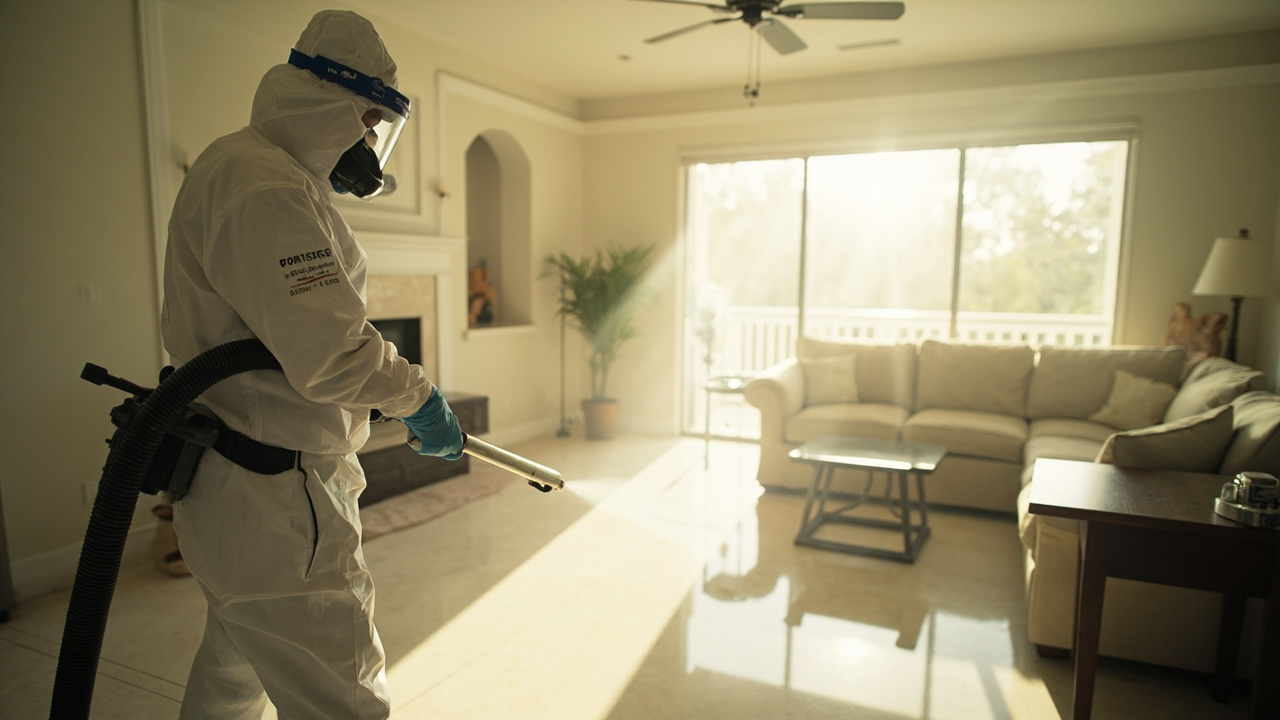
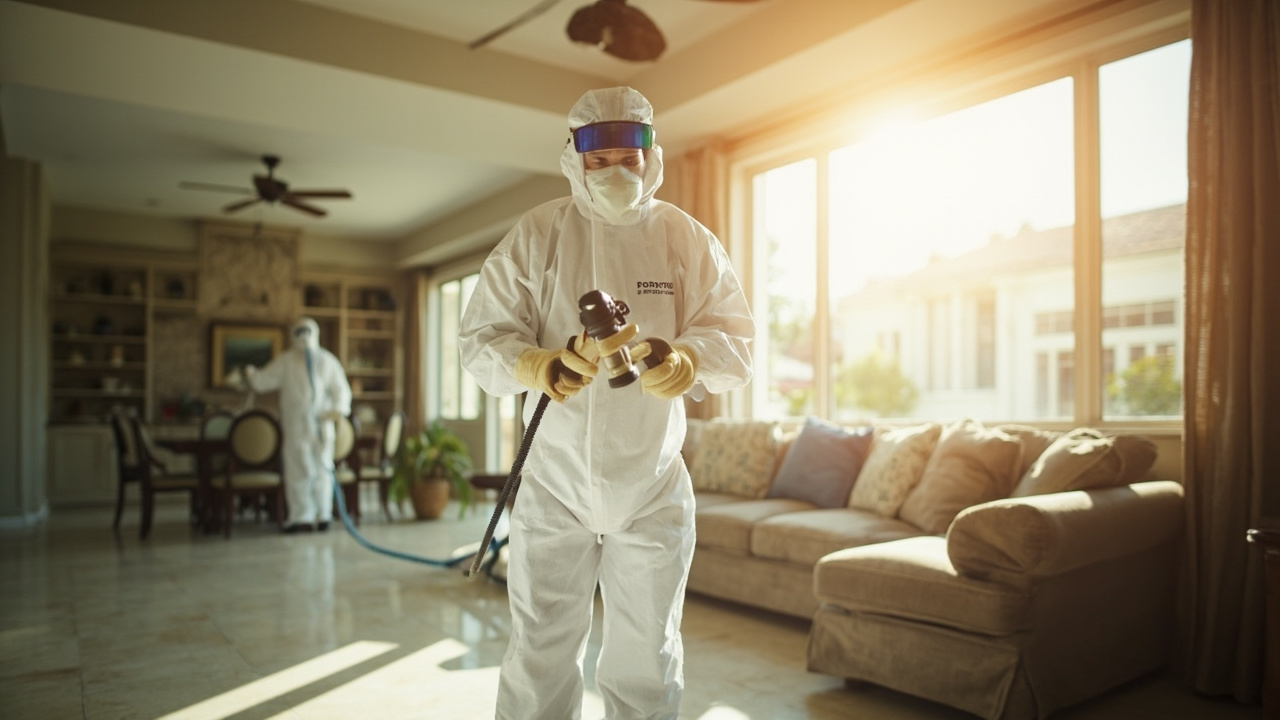
EPA-registered disinfectants are applied to all affected surfaces using electrostatic sprayers, pump sprayers, or foggers depending on substrate porosity and contamination severity. Hard surfaces receive spray-and-wipe treatment ensuring proper contact time. HEPA air scrubbers run continuously during treatment removing airborne spores. Thermal fogging or hydroxyl generation targets airborne and embedded odor molecules. Treatment continues until air quality testing confirms contamination reduction to safe levels.
03

Verification and Clearance Testing

Post-treatment ATP testing measures remaining microbial activity on surfaces. Particle counters verify airborne spore counts have dropped to normal background levels. We document treatment completion with time-stamped photos and lab-grade readings. You receive a sanitization certificate showing before and after contamination levels. We explain maintenance protocols to prevent recontamination and provide guidance on when spaces are safe for reoccupancy based on chemical off-gassing times.

Why Tampa Property Owners Trust Our Sanitization Expertise

Water damage restoration in Tampa requires understanding how Gulf Coast humidity affects drying times and microbial growth rates. A company from Atlanta or Orlando cannot simply apply generic protocols here. Tampa's specific climate, construction methods, and contamination sources demand localized expertise. Fortress Water Damage Restoration Tampa has treated hundreds of properties from Bayshore Boulevard to Temple Terrace, navigating everything from hurricane flooding to broken supply lines in high-rises.

We know that homes built before 1980 in neighborhoods like Beach Park and Wellswood often have concrete block construction with stucco exteriors. These materials absorb water differently than wood-frame construction and require adjusted antimicrobial concentrations and application techniques. We understand that Tampa's frequent afternoon thunderstorms during summer months create ongoing humidity challenges that extend drying timelines beyond what equipment manufacturers recommend for drier climates.

Our technicians train on IICRC S500 and S520 standards, which establish protocols for water damage restoration and mold remediation. We use ATP bioluminescence testing because it provides objective data about surface cleanliness, not subjective visual inspection. Insurance adjusters in Tampa recognize our documentation standards and trust our contamination assessments when determining coverage for sanitization services versus simple cleaning.

We maintain relationships with industrial hygienists and environmental testing labs in Tampa for situations requiring third-party verification. When contamination involves biohazards, hazardous materials, or disputed insurance claims, we coordinate independent testing to establish treatment efficacy. This protects you from liability and ensures complete contamination elimination, not cosmetic improvement. Local expertise matters when health and safety are at stake.

What to Expect During Professional Sanitization and Odor Removal

Emergency Response and Same-Day Assessment

We dispatch technicians within 90 minutes of your call for emergency water damage situations requiring immediate contamination control. Assessment includes water source identification, category classification, and affected material inventory. You receive a detailed scope of work outlining required sanitization protocols before treatment begins. For after-hours emergencies, our 24/7 dispatch ensures Tampa property owners never wait until business hours for contamination response. We understand that microbial growth accelerates with every hour of delayed treatment in Florida's humid climate.

Comprehensive Contamination Testing and Documentation

Pre-treatment testing establishes baseline contamination levels using ATP surface testing and airborne particle counts. We photograph all affected areas and document moisture readings in walls, floors, and ceilings. This evidence supports insurance claims and provides legal documentation of contamination severity. Our reports specify water category, affected square footage, and required antimicrobial protocols in language insurance adjusters understand. You receive copies of all testing data, chemical safety sheets for applied disinfectants, and treatment logs showing application times and concentrations used during sanitization.

Hospital-Grade Disinfection Results

Our antimicrobial treatment achieves 99.9 percent pathogen reduction on treated surfaces using EPA-registered disinfectants proven effective against bacteria, viruses, and fungal spores. Post-treatment testing verifies contamination elimination before we remove containment barriers. You receive a sanitization certificate documenting pre-treatment and post-treatment microbial counts. Treated spaces meet or exceed EPA and CDC guidelines for indoor air quality. Odor abatement completely eliminates smell at the molecular level rather than masking odors with fragrances that fade within days.

Follow-Up Inspection and Recontamination Prevention

We schedule follow-up inspection 7 to 10 days after treatment completion to verify no microbial regrowth has occurred. This catch-point prevents contamination from returning due to hidden moisture that was not fully addressed during initial drying. You receive guidance on humidity control, ventilation improvements, and moisture monitoring to prevent future water damage. If odors return or moisture reappears during the monitoring period, we investigate the source at no additional diagnostic charge. Our goal is permanent contamination elimination, not temporary improvement that fails when you stop paying attention.

Frequently Asked Questions

You Have Questions,
We Have Answers

What is the strongest odor eliminator? +

The strongest odor eliminator depends on the source. For organic odors like urine or decomposition, enzymatic cleaners break down the molecules causing the smell. For smoke or chemical odors, hydroxyl generators or ozone machines neutralize airborne particles at a molecular level. In Tampa's humid climate, moisture accelerates bacterial growth, making surface treatments less effective. Professional-grade thermal fogging penetrates porous surfaces like drywall and concrete, eliminating embedded odors. Avoid masking agents like sprays or candles. They cover the smell temporarily but do not address the root cause. For severe odors after water damage or biological contamination, professionals use a combination of extraction, antimicrobial treatment, and air scrubbing.

What do nursing homes use to get rid of urine smell? +

Nursing homes use enzymatic cleaners to break down uric acid crystals in urine. These cleaners contain bacteria that digest organic matter, eliminating the odor source rather than masking it. High-traffic facilities also use hydroxyl generators to neutralize airborne particles without requiring room evacuation. In Tampa, where humidity worsens urine odors by promoting bacterial growth, proper ventilation and dehumidification are critical. Staff also apply antimicrobial treatments to mattresses, carpets, and flooring to prevent recurring smells. For deep contamination into subflooring or walls, thermal fogging or ozone treatment may be necessary. Quick response time matters because urine penetrates porous materials fast in warm, humid conditions.

How do I permanently get rid of a bad smell in my house? +

Permanently removing a bad smell requires identifying and eliminating the source. Masking agents like air fresheners only provide temporary relief. Start by inspecting for hidden water damage, mold, or pest infestations. In Tampa homes, HVAC systems often circulate musty air if ductwork harbors mold from humidity. Clean or replace HVAC filters and consider duct cleaning. For embedded odors in carpet, upholstery, or drywall, professional extraction and antimicrobial treatment work best. Enzymatic cleaners handle organic smells. Thermal fogging treats smoke or cooking odors. Persistent smells after flooding or sewage backup often require subflooring replacement. Dehumidifiers help control Tampa's high moisture levels that feed odor-causing bacteria.

What do nurses use to block smells? +

Nurses use vapor rubs containing menthol, eucalyptus, or camphor applied under the nose to block unpleasant smells. This creates a strong sensory override. Some wear masks treated with essential oils like peppermint or lavender. Coffee grounds placed in rooms also absorb airborne odors. For medical settings, activated charcoal masks filter particulates. These methods provide temporary relief but do not eliminate the odor source. In Tampa's care facilities dealing with biological odors, nurses rely on proper ventilation, enzymatic cleaners, and hydroxyl generators to maintain air quality. Personal masking techniques help during direct patient care but cannot replace professional sanitization protocols.

What kills all smells? +

Nothing universally kills all smells because odor sources vary. Organic smells require enzymatic cleaners that break down proteins and bacteria. Chemical odors need oxidizers like ozone or hydroxyl radicals to neutralize molecules. Activated charcoal absorbs airborne particles. Thermal fogging reaches embedded odors in porous materials. For Tampa homes dealing with mold or mildew from humidity, antimicrobial treatments prevent regrowth. Fire and smoke damage require specialized equipment like air scrubbers and ozone machines. Effective odor removal combines source elimination, cleaning, and air treatment. Masking agents fail because they cover smells temporarily without addressing the root cause. Professional assessment determines the right combination of treatments.

What do hotels use to make the room smell good? +

Hotels use a combination of HVAC maintenance, ozone treatment between guests, and diffused fragrance systems to maintain fresh rooms. High-end properties install HVAC-integrated scent diffusers that distribute subtle, consistent aromas throughout the building. Between bookings, housekeeping uses enzymatic cleaners on carpets and upholstery to remove body oils and organic residue. Ozone machines neutralize smoke or food odors when rooms sit vacant. In Tampa's humid climate, hotels run dehumidifiers to prevent musty smells from moisture buildup. Fresh linens and curtains matter too. Hotels replace soft goods regularly because fabric absorbs odors over time. Commercial-grade air purifiers with HEPA filters also improve air quality.

What is the old lady's smell called? +

The smell associated with aging, often called nonenal, results from the breakdown of omega-7 unsaturated fatty acids in skin oils. As people age, their skin produces more of these compounds, which create a greasy, grassy odor that lingers on clothing and bedding. In Tampa's warm climate, increased perspiration accelerates the accumulation of these oils on fabrics. Regular laundering with enzymatic detergents helps. Homes with elderly residents benefit from frequent washing of linens, improved ventilation, and dehumidification to prevent the smell from settling into upholstery and carpets. Professional cleaning with antimicrobial treatments addresses persistent odors in porous surfaces.

How do professionals remove pee smell? +

Professionals remove urine smell by first locating all contaminated areas using UV lights that reveal urine crystals invisible to the naked eye. Enzymatic cleaners break down uric acid at a molecular level. For deep contamination into padding or subflooring, extraction equipment pulls moisture and residue from porous materials. In Tampa homes where humidity accelerates bacterial growth, antimicrobial treatments prevent recurring odors. Severe cases require removal of affected carpet padding or subflooring. Hydroxyl generators neutralize airborne odor molecules during drying. Simply cleaning the surface fails because urine penetrates deeply. Professional equipment and treatments ensure complete odor elimination rather than temporary masking.

What do morticians use to block smell? +

Morticians use vapor rubs like Vicks VapoRub under their noses to block decomposition odors. Embalming fluid containing formaldehyde masks and slows decay. Facilities use industrial ventilation systems and ozone generators to treat air quality. Charcoal filters in HVAC systems absorb particulates. Some morticians wear masks with activated charcoal or apply scented oils to mask edges. Decomposition creates thiols and putrescine, which are among the strongest odors humans detect. In Tampa's warm climate, refrigeration is critical to slow decay before preparation. For trauma cleanup or unattended death scenes, professional biohazard teams use enzymatic cleaners, thermal fogging, and hydroxyl generators to eliminate embedded odors.

What is the hardest smell to get rid of in a house? +

Decomposition, fire smoke, and pet urine are the hardest smells to remove because they penetrate porous materials deeply. Decomposition creates thiols that bond to surfaces at a molecular level. Smoke particles settle into drywall, insulation, and HVAC ducts. Pet urine crystallizes in carpet padding and subflooring. In Tampa's humid climate, these odors worsen as moisture reactivates residue. Surface cleaning fails. Professionals use thermal fogging to reach embedded particles, ozone or hydroxyl treatment for airborne molecules, and enzymatic cleaners for organic contamination. Severe cases require removing affected materials like drywall, insulation, or flooring. Quick professional response prevents permanent odor absorption.

How Tampa's Humidity Accelerates Contamination After Water Damage

Tampa averages 75 percent relative humidity year-round, with summer months frequently exceeding 90 percent during morning hours. This ambient moisture prevents complete evaporation from water-damaged materials even after visible water is removed. Drywall, insulation, and wood framing retain moisture content above 15 percent, the threshold where mold germination begins. Coastal neighborhoods near Old Tampa Bay and Hillsborough Bay experience salt air intrusion that accelerates metal corrosion and provides mineral nutrients supporting bacterial colonies. Hurricane season brings storm surge contaminated with sewage, petroleum products, and agricultural runoff requiring aggressive antimicrobial treatment beyond standard sanitization protocols.

Fortress Water Damage Restoration Tampa maintains relationships with Hillsborough County building inspectors and understands local building codes requiring specific antimicrobial treatments before reconstruction permits are issued for flood-damaged properties. We document contamination elimination using methods recognized by local environmental health departments and insurance carriers operating in the Tampa market. Our technicians know which Tampa neighborhoods have older septic systems prone to backup during flooding and which areas have clay soil that channels groundwater into foundations during heavy rain. This local knowledge ensures we apply appropriate disinfection and deodorization protocols for your specific contamination source and property type.
Water Damage Restoration Services in The Tampa Area

We proudly serve the entire Tampa area with rapid-response water damage restoration services. Whether you’re downtown, in the suburbs, or operating a business near the bay, our expert team is just minutes away. Use the map below to view our service zone or find our nearest location. We’re ready to respond wherever you need us. Your peace of mind is only a call or click away.

Address:
Fortress Water Damage Restoration Tampa, 4830 W Kennedy Blvd #600, Tampa, FL, 33609

Additional Services We Offer

Our news updates

Latest Articles & News from The Blogs

How Clogged Gutters and Downspouts Can Lead to a Flooded Living Room in Wooded Lutz Neighborhoods When heavy afternoon thunderstorms…

How Clogged Gutters and Downspouts Can Lead to a Flooded Living Room in Wooded Lutz Neighborhoods

How Clogged Gutters and Downspouts Can Lead to a Flooded Living Room in Wooded Lutz Neighborhoods When heavy afternoon thunderstorms…

Why You Should Never Use Bleach to Clean Up Mold After a Leak in Your Tampa Palms Home

Why You Should Never Use Bleach to Clean Up Mold After a Leak in Your Tampa Palms Home When you…

Dealing With Water Damage in Your Backyard ADU or Guest House in Seminole Heights

Dealing With Water Damage in Your Backyard ADU or Guest House in Seminole Heights Water damage in a Seminole Heights…

Contact Us

Do not let contamination threaten your health. Call Fortress Water Damage Restoration Tampa now at (656) 219-8088 for same-day assessment and hospital-grade disinfection. Our antimicrobial treatment eliminates bacteria, mold, and odors completely.