




Menu

Structural Drying Services in Tampa – Industrial-Grade Equipment and Certified Moisture Control for Complete Property Recovery

Fortress Water Damage Restoration Tampa deploys thermal imaging, commercial dehumidifiers, and air movers to eliminate hidden moisture in walls, floors, and ceilings before mold takes hold across Hillsborough County properties.

Slider Image 1
Slider Image 2
Slider Image 3
Slider Image 4
Slider Image 5
Slider Image 7
Slider Image 8
Slider Image 9
Slider Image 10
Slider Image 11

Why Tampa Properties Need Professional Structural Drying After Water Events

Tampa's subtropical climate creates the perfect breeding ground for secondary water damage. When water infiltrates your walls, floors, or ceilings, the constant 70-80% ambient humidity slows natural evaporation to a crawl. What starts as a supply line leak or storm intrusion becomes trapped moisture that feeds mold colonies within 48 hours.

Standard fans and retail dehumidifiers cannot handle structural saturation. Drywall absorbs water like a sponge. Concrete slab foundations in neighborhoods like Seminole Heights and Hyde Park retain moisture for weeks without professional structural drying. Wood framing in older bungalows swells and warps. Subfloor materials delaminate. Insurance adjusters flag inadequate drying as policyholder negligence, which voids coverage for subsequent mold claims.

Rapid structural drying is not optional in this climate. You need restorative drying services that pull moisture from building materials, not just the air. Professional structural drying targets the moisture trapped inside your structure using calibrated equipment, continuous monitoring, and psychrometric calculations. The goal is to return materials to their pre-loss moisture content before irreversible damage occurs.

Structural dehumidification services address what you cannot see. Moisture migrates through capillary action. It hides in wall cavities, under vinyl flooring, and inside insulation. Without thermal imaging and moisture meters, you are guessing. By the time you smell mold or see stains, the damage is severe. Structure drying solutions prevent that outcome by attacking the problem at the material level, not the surface level.

Why Tampa Properties Need Professional Structural Drying After Water Events
How Professional Structural Drying Works in Tampa Water Damage Scenarios

How Professional Structural Drying Works in Tampa Water Damage Scenarios

Structural drying is a controlled evaporation process. We manipulate temperature, humidity, and airflow to create the ideal drying conditions inside your property. This requires understanding psychrometrics, which is the science of air and moisture interaction. You cannot dry a structure by opening windows in Tampa. The outdoor air is often more humid than the indoor air. That introduces more moisture, not less.

We start with moisture mapping using infrared cameras and penetrating moisture meters. This identifies the full scope of saturation, including hidden pockets. Next, we extract standing water with truck-mounted pumps or portable extractors. Surface water removal is the first step, but it only addresses 30-40% of the problem. The remaining moisture is embedded in porous materials.

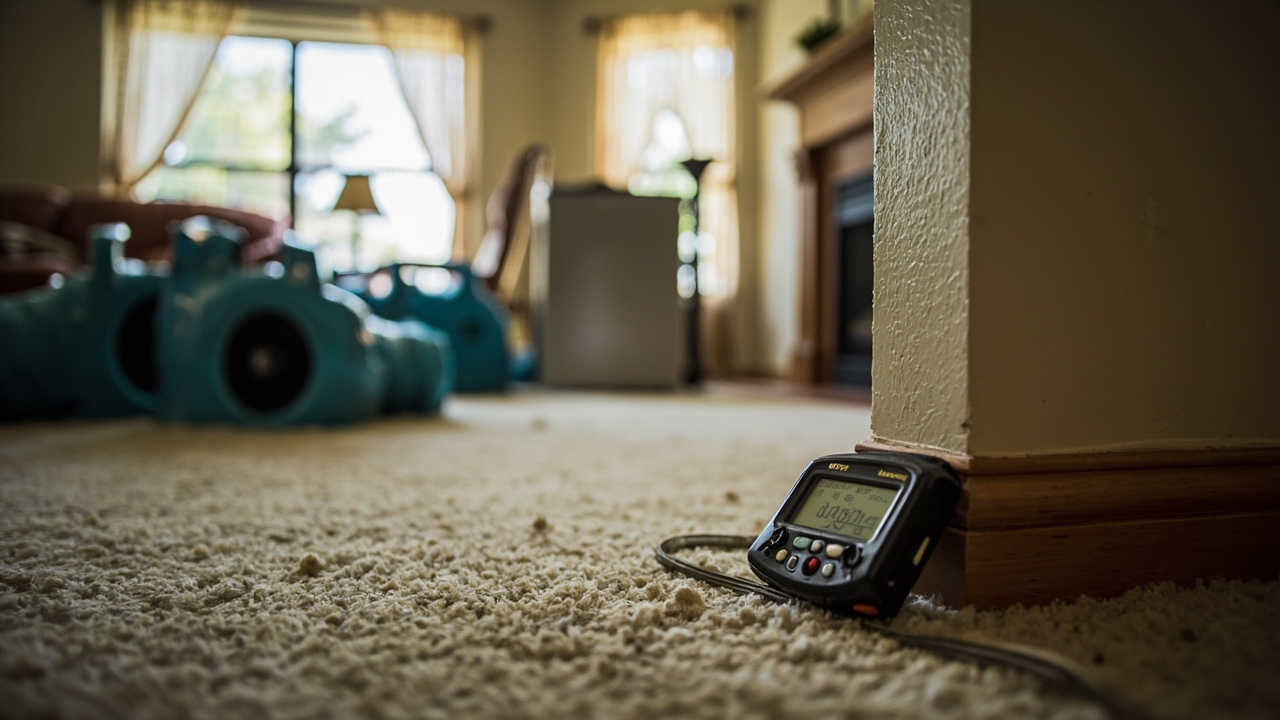
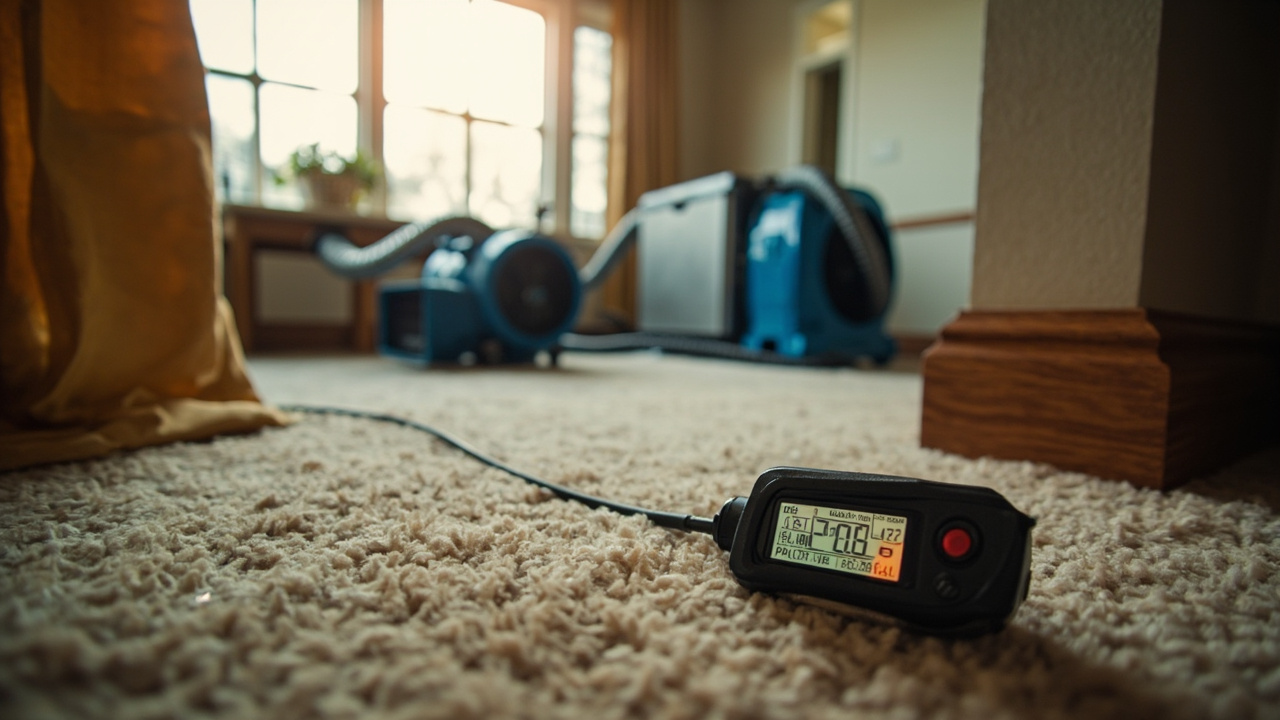
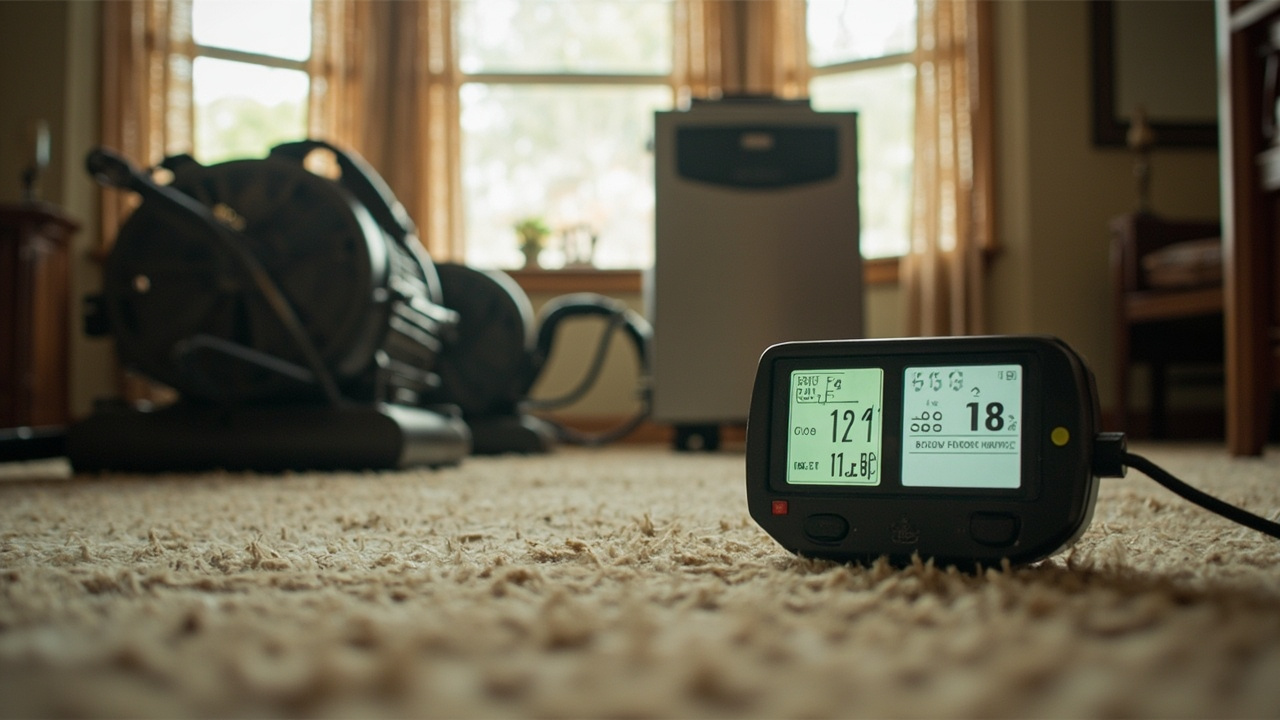
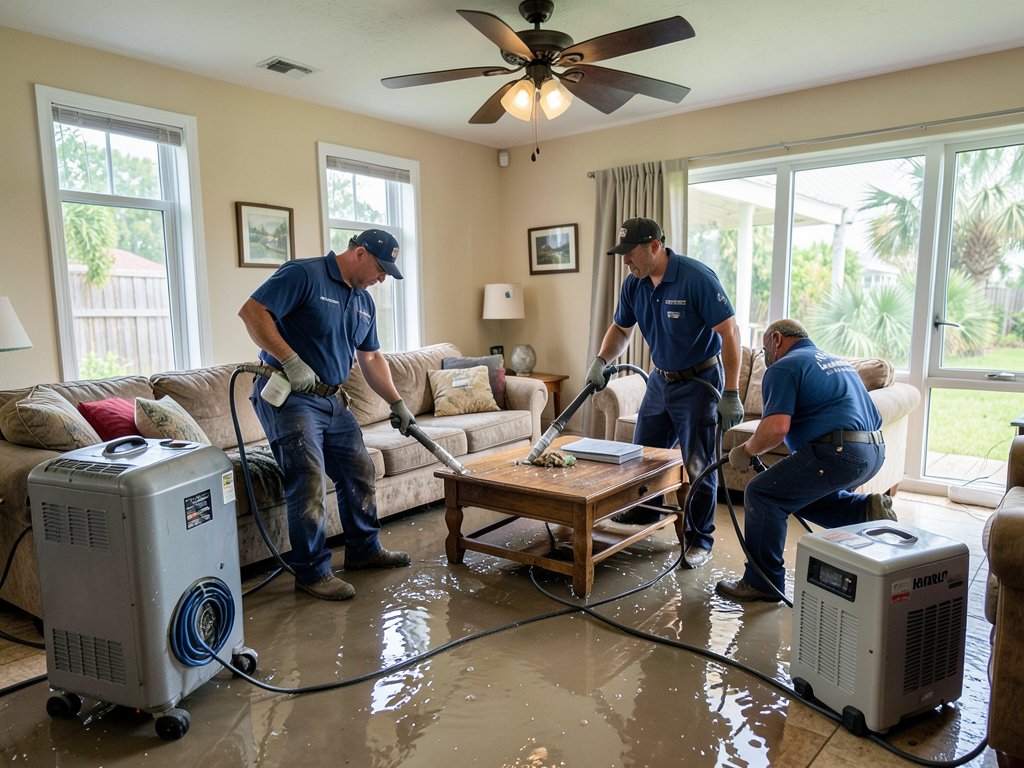
Then we deploy industrial air movers to increase evaporation rates. These fans create laminar airflow across wet surfaces, lifting moisture into the air. Simultaneously, commercial-grade dehumidifiers remove that airborne moisture before it condenses elsewhere. We use desiccant dehumidifiers for deep structural drying because they outperform refrigerant models in high-temperature, high-humidity environments like Tampa.

We also inject air into wall cavities using injecti-dry systems. This targets trapped moisture in insulation and framing. Negative air pressure prevents cross-contamination into unaffected areas. We monitor moisture levels twice daily using the same meter in the same locations to track drying velocity. Once materials reach equilibrium moisture content, typically 12-15% for wood and under 1% for concrete, the structure is dry. This process takes 3-7 days depending on material type, saturation level, and environmental conditions.

What Happens During Emergency Structural Drying

Structural Drying Services in Tampa – Industrial-Grade Equipment and Certified Moisture Control for Complete Property Recovery
01

Moisture Assessment and Documentation

Our team arrives with thermal imaging cameras and moisture detection equipment to map the full extent of water intrusion. We document moisture readings in affected and unaffected areas to establish a drying baseline. This data becomes the foundation for your insurance claim and our drying protocol. We identify affected materials, measure humidity levels, and photograph the damage for your adjuster. You receive a written scope within the first hour.
02

Equipment Deployment and Monitoring

We position commercial dehumidifiers, air movers, and specialty drying equipment based on the moisture map. Air movers create cross-ventilation to maximize evaporation. Dehumidifiers run continuously to extract moisture from the air. We use desiccant units for deep drying and refrigerant units for atmospheric control. Technicians return every 24 hours to take fresh moisture readings, adjust equipment placement, and verify drying progress. You see measurable improvement daily as moisture content drops toward acceptable levels.
03

Final Verification and Clearance

Once materials reach target moisture levels, we take final readings in all affected areas and compare them to our baseline. If readings are stable for 24 hours and match unaffected areas, the structure is dry. We provide a drying certificate that documents completion and protects you from future liability. This certificate is required by most insurance carriers before reconstruction begins. Equipment is removed and you are cleared to proceed with repairs, refinishing, or rebuilding.

Why Tampa Property Owners Choose Fortress Water Damage Restoration for Structural Drying

Structural drying is not a commodity service. The equipment, the training, and the monitoring protocols separate professional restorative drying services from the guy with a truck and a shop-vac. Fortress Water Damage Restoration Tampa employs IICRC-certified water damage technicians who understand moisture dynamics in Florida construction. We know how concrete block construction in South Tampa behaves differently than wood-frame homes in Old Seminole Heights. We adjust our approach based on building materials, age, and saturation levels.

We carry the capacity to handle both residential and commercial structural drying. Our equipment inventory includes over 100 air movers, 50 commercial dehumidifiers, and specialty drying systems for hardwood floors, tile, and crawlspaces. When a broken pipe floods a 10,000 square foot medical office in Westshore or a roof leak saturates a historic home in Tampa Heights, we have the resources to respond immediately. We do not subcontract or rent equipment from other vendors. Everything is in-house and available 24/7.

We also work directly with insurance adjusters. We understand Xactimate pricing, documentation requirements, and the language of claims. We provide detailed moisture logs, drying charts, and photo documentation that satisfies carrier requirements. This reduces claim disputes and speeds up approvals. Many property owners try to handle drying themselves to save money. They end up paying more when their claim is denied due to improper mitigation or when mold develops three weeks later.

Local expertise matters. We understand Tampa building codes, especially the moisture control requirements in the Florida Building Code Chapter 15. We know that failing to dry a structure properly creates liability for future mold claims. We also know that Hillsborough County requires permits for certain demolition and reconstruction activities, and we coordinate with your contractor to keep your project compliant and on schedule.

What to Expect When You Call for Structural Drying Services

Response Time and Availability

We dispatch teams 24 hours a day, 7 days a week, including holidays. Water damage does not wait for business hours, and neither do we. Most Tampa service calls receive a technician on-site within 90 minutes of your call. We arrive with extraction equipment, moisture meters, and initial drying equipment so we can begin mitigation immediately. Speed matters because every hour of delay increases damage severity. Our trucks are staged across Hillsborough County to minimize drive time. You are not waiting until tomorrow morning. You get help tonight.

Initial Assessment and Drying Plan

The first visit includes a full moisture assessment using infrared cameras and penetrating moisture meters. We test walls, ceilings, floors, and subfloors to identify the full scope of saturation. You receive a written drying plan that explains what materials are affected, what equipment will be deployed, and how long drying will take. We also provide a cost estimate and discuss insurance billing. Most structural drying is covered under your homeowners or commercial property policy. We handle claims paperwork and communicate directly with your adjuster to streamline approvals.

Final Results and Documentation

When drying is complete, you receive a certificate of completion that documents final moisture readings in all affected materials. This certificate protects you from future claims related to improper drying. It also satisfies insurance carrier requirements for mold liability waivers. Materials are returned to their pre-loss moisture content, which means they are stable and ready for reconstruction. Drywall, framing, and subfloors will not warp, buckle, or grow mold after our equipment is removed. You can proceed with confidence that the structure is truly dry, not just surface dry.

Post-Drying Support and Coordination

We stay involved through the reconstruction phase. If your contractor has questions about moisture levels or needs verification testing before closing up walls, we return at no charge. We also coordinate with mold remediation teams if testing reveals contamination. Our job is not finished until your property is fully restored. We maintain moisture logs and equipment records for three years in case you need documentation for warranty claims or resale disclosures. You have a partner through the entire process, not just a vendor who disappears after the invoice is paid.

Frequently Asked Questions

You Have Questions,
We Have Answers

What is structural drying? +

Structural drying removes water from building materials like wood framing, drywall, insulation, and concrete after flooding or leaks. It uses industrial equipment to lower moisture levels below thresholds where mold, rot, or structural failure can occur. In Tampa's humid climate, structural drying prevents secondary damage by controlling airflow, temperature, and dehumidification. Technicians monitor moisture meters daily to track progress in walls, subfloors, and ceilings. This process differs from surface cleaning because it targets hidden moisture trapped inside building components. Proper structural drying protects your home's integrity and prevents long-term problems like wood decay or foundation issues.

What is applied structural drying? +

Applied structural drying is the science-based process of removing water from buildings using psychrometry, airflow management, and equipment placement. Certified technicians calculate grain depression, vapor pressure, and specific humidity to create drying chambers that pull moisture from materials efficiently. Tampa homes face challenges like high ambient humidity and concrete slab construction, which require specialized drying strategies. Technicians adjust dehumidifier capacity, air mover positioning, and containment barriers based on daily readings. This method follows IICRC S500 standards to ensure materials reach dry standard levels quickly. Applied structural drying prevents guesswork and reduces drying time compared to passive methods.

What is a drying certificate? +

A drying certificate documents that a water-damaged structure has been dried to industry standards. It includes moisture readings, equipment logs, and psychrometric data proving materials reached acceptable dryness levels. Insurance companies and restoration contractors use these certificates to verify work completion and close claims. In Tampa, where humidity complicates drying timelines, this documentation protects homeowners from future disputes about mold or incomplete restoration. The certificate shows specific moisture content percentages in affected materials like wood studs or drywall. It serves as proof that the structure is safe for reconstruction and meets IICRC guidelines.

What is drying in a building? +

Drying in a building removes moisture from structural components, contents, and air after water intrusion. It involves creating controlled environments where evaporation rates exceed moisture introduction. Tampa's subtropical climate makes building drying challenging because outdoor air often holds more moisture than indoor air. Technicians use dehumidifiers to lower humidity, air movers to increase evaporation, and containment to isolate affected areas. The process targets hidden moisture in wall cavities, under flooring, and within ceiling assemblies. Proper building drying prevents microbial growth, material deterioration, and indoor air quality problems. Monitoring continues until materials reach equilibrium moisture content.

What does mold remediation typically cost? +

Mold remediation costs depend on contamination extent, accessibility, and material removal requirements. Small areas may need limited containment and surface treatment, while extensive growth requires full demolition and reconstruction. Tampa homes with hidden mold in wall cavities or attic spaces face higher costs due to detection and access challenges. Pricing factors include air filtration equipment, containment barriers, antimicrobial treatments, and disposal fees. Insurance coverage varies based on the water damage cause. Most policies exclude mold from long-term neglect but cover mold resulting from covered perils like burst pipes. Professional assessment determines scope before work begins.

Does homeowners insurance pay for structural damage? +

Homeowners insurance typically covers sudden, accidental structural damage like burst pipes, appliance leaks, or storm-related roof failures. Policies exclude damage from long-term neglect, lack of maintenance, or flooding from external sources. In Tampa, wind-driven rain during hurricanes may be covered if you have windstorm insurance, but rising groundwater requires separate flood insurance. Structural damage from covered water events includes compromised framing, foundation cracks, or ceiling collapse. Review your policy's water damage exclusions and understand the difference between flood insurance and standard homeowners coverage. Document damage immediately and contact your insurer to start the claims process.

How to tell if water damage is structural? +

Signs of structural water damage include sagging ceilings, warped floors, cracked drywall, and visible wood rot. Check for soft spots in flooring, separated baseboards, or doors that no longer close properly. In Tampa homes with concrete block construction, look for efflorescence, which appears as white powdery deposits on walls. Use a moisture meter to detect hidden saturation in walls and subfloors. Musty odors indicate moisture trapped inside building cavities. Severe structural damage shows buckling support beams, foundation cracks, or walls pulling away from ceilings. Professional inspection identifies compromise before visible failure occurs.

What are the three methods of drying? +

The three drying methods are evaporation, dehumidification, and temperature control. Evaporation uses air movers to increase airflow across wet surfaces, converting liquid water to vapor. Dehumidification removes moisture from the air using refrigerant or desiccant dehumidifiers, lowering humidity so materials can release more moisture. Temperature control raises ambient temperature to accelerate evaporation rates. Tampa's high humidity requires aggressive dehumidification because outdoor air cannot absorb additional moisture. Technicians combine all three methods to create optimal drying conditions. The specific approach depends on material types, saturation levels, and building construction. Proper method selection reduces drying time and prevents secondary damage.

How long does it take to get a WRT certification? +

Water Restoration Technician (WRT) certification takes approximately 16 hours of classroom instruction plus exam time. The course covers water damage science, equipment operation, and restoration procedures. Most technicians complete the program in two to three days through approved training providers. Study time varies based on prior experience and familiarity with psychrometry concepts. The exam includes multiple-choice questions testing knowledge of drying principles, safety protocols, and industry standards. Certification remains valid for renewal periods determined by the issuing organization. Many Tampa restoration companies require WRT certification for field technicians. The credential demonstrates competency in structural drying fundamentals.

Should you avoid buying a house in a flood zone? +

Buying in a flood zone requires careful evaluation of risk tolerance and financial preparation. Tampa's coastal and low-lying areas face hurricane storm surge and heavy rainfall flooding. Flood insurance is mandatory for federally backed mortgages in high-risk zones, adding significant annual costs. Properties in flood zones may experience higher premiums, resale challenges, and repeated damage. Review FEMA flood maps, elevation certificates, and property history before purchasing. Consider foundation height, drainage infrastructure, and proximity to retention ponds. Some buyers accept the risk with proper insurance and mitigation measures. Others avoid flood zones entirely to eliminate long-term exposure and stress.

How Tampa's Humidity and Construction Styles Complicate Structural Drying

Tampa's 76% average relative humidity means moisture evaporates slowly, even with fans running. Concrete slab foundations, common in newer construction across neighborhoods like New Tampa and Carrollwood, absorb water and hold it for weeks. Older homes in Hyde Park and Seminole Heights use pier-and-beam construction with crawlspaces, which trap moisture and create mold factories if not dried aggressively. Stucco exteriors, a Tampa staple, wick moisture into wall cavities through cracks and failed caulking. Professional structural drying accounts for these variables. Retail equipment cannot.

Fortress Water Damage Restoration Tampa is locally owned and familiar with Hillsborough County building codes, permitting processes, and the construction methods used in every era of Tampa development. We work with local insurance adjusters daily, which speeds up claims and reduces disputes. We also understand the timeline pressures that commercial clients face. A flooded restaurant in Ybor City or a saturated office in Westshore cannot afford a week of downtime. Our capacity and equipment depth allow us to compress drying timelines without sacrificing quality. Choosing a local structural drying provider means faster response, better communication, and accountability.
Water Damage Restoration Services in The Tampa Area

We proudly serve the entire Tampa area with rapid-response water damage restoration services. Whether you’re downtown, in the suburbs, or operating a business near the bay, our expert team is just minutes away. Use the map below to view our service zone or find our nearest location. We’re ready to respond wherever you need us. Your peace of mind is only a call or click away.

Address:
Fortress Water Damage Restoration Tampa, 4830 W Kennedy Blvd #600, Tampa, FL, 33609

Additional Services We Offer

Our news updates

Latest Articles & News from The Blogs

Lorem ipsum dolor sit amet. Aut expedita quaerat quo eligendi numquam et laudantium perspiciatis qui minima expedita rem consequatur ducimus.…

Test Blog 4

Lorem ipsum dolor sit amet. Aut expedita quaerat quo eligendi numquam et laudantium perspiciatis qui minima expedita rem consequatur ducimus.…

Test Blog 3

Lorem ipsum dolor sit amet. Aut expedita quaerat quo eligendi numquam et laudantium perspiciatis qui minima expedita rem consequatur ducimus.…

Test Blog 2

Lorem ipsum dolor sit amet. Aut expedita quaerat quo eligendi numquam et laudantium perspiciatis qui minima expedita rem consequatur ducimus.…

Contact Us

Water damage gets worse every hour. Call Fortress Water Damage Restoration Tampa at (656) 219-8088 for immediate dispatch. Our teams are standing by 24/7 with industrial drying equipment and certified technicians. We handle insurance billing and provide free moisture assessments.