




Tampa sits at the convergence of three water damage accelerators that keep restoration crews busy year-round. The Gulf Coast hurricane corridor brings catastrophic storm surge and wind-driven rain from June through November, overwhelming drainage systems and flooding properties across Hillsborough County. Between storms, Tampa's subtropical humidity averages 74 percent, creating the perfect breeding ground for mold that colonizes wet materials within 48 hours.
The region's aging infrastructure compounds the problem. Many Tampa neighborhoods including Hyde Park, Ybor City, and Davis Islands contain homes built before modern moisture barriers and vapor barriers became standard. Cast iron drain lines corrode from the inside out, galvanized supply pipes fail without warning, and slab foundations develop cracks from Florida's expansive clay soils. When Tampa Bay's water table rises during summer rainy season, groundwater seeps through foundation cracks and overwhelms sump pumps in low-lying areas near the Hillsborough River.
Air conditioning systems run almost constantly in Tampa's heat, producing condensate that can flood interior spaces when drain pans rust through or drain lines clog. Every water heater, washing machine, and dishwasher represents a potential flood source in Florida's humid environment where corrosion accelerates. This combination of climate, geography, and aging building stock makes rapid water damage response critical for Tampa property owners.
Most water damage companies talk about response time. We prove it. Fortress Water Damage Restoration Tampa maintains strategically located equipment caches throughout Hillsborough County, allowing us to reach properties in West Tampa, Town 'n' Country, and Brandon within one hour of your call. Our dispatch system tracks crew locations in real time, routing the nearest certified technician to your emergency while a second team mobilizes heavy extraction equipment.
We invested in the technology that stops water damage before it becomes catastrophic. Our truck-mounted extraction systems remove thousands of gallons per hour, not the gallons per minute that portable units achieve. Thermal imaging cameras detect moisture trapped inside wall cavities, under flooring, and above ceilings where conventional moisture meters fail. Commercial-grade dehumidifiers and air movers create the airflow patterns and humidity control that laboratory testing proves necessary for complete structural drying.
Insurance companies know our name because we document everything their adjusters need to approve your claim. We photograph all damage before we begin work, measure moisture levels in every affected material, maintain daily drying logs, and provide the detailed scope of loss that gets claims paid fast. Our estimators write in Xactimate, the same software your insurance company uses, eliminating the back-and-forth disputes that delay restoration.
Tampa property owners choose us because we stop secondary damage. Water wicks through drywall, swells hardwood floors, and saturates insulation within hours. Mold spores activate within 48 hours when materials stay wet. Our rapid response and complete moisture removal prevent the expensive reconstruction that inadequate drying guarantees. We do it right the first time, saving you months of displacement and thousands in additional repairs.

Water damage accelerates exponentially in Tampa's humidity. Our strategically positioned crews reach your property within 60 minutes, beginning extraction before water migrates to unaffected areas. We dispatch while you're still on the phone, arriving with truck-mounted extraction systems that remove water faster than portable equipment can match. Speed prevents the secondary damage that turns a manageable loss into total reconstruction.

Hidden moisture destroys Tampa properties from the inside out. We use thermal imaging cameras and deep-reading moisture meters to detect water trapped in wall cavities, under tile floors, and above ceilings. Our technicians map the full extent of moisture migration, ensuring we dry every affected material. This technology prevents the hidden mold growth and structural rot that incomplete drying causes.
We handle Tampa water damage claims daily. Our technicians photograph all damage, document pre-loss conditions, and track moisture readings throughout the drying process. We write estimates in Xactimate and provide the detailed scope of loss that insurance adjusters need to approve claims fast. You get the documentation that prevents disputes and delays, moving from disaster to restoration without fighting your insurance company.
Tampa's humidity makes complete structural drying difficult. We follow IICRC S500 water damage standards, using commercial dehumidifiers and air movers positioned according to psychrometric calculations, not guesswork. Our technicians monitor daily moisture readings until all materials reach dry standard, preventing the mold growth and material failure that rushed or incomplete drying guarantees. We stay until the job is done right.
Water invades Tampa properties through dozens of pathways, each requiring specialized extraction and drying protocols. Storm surge floods entire first floors with contaminated water, burst supply lines spray pressurized water inside wall cavities, and slow appliance leaks saturate subflooring before you notice standing water. Fortress Water Damage Restoration Tampa handles every category of water intrusion, from clean water pipe breaks to sewage backups that require biohazard protocols.
Our service range covers emergency extraction through complete structural drying and reconstruction. We start with rapid water removal using truck-mounted extraction systems, then transition to precision drying with commercial dehumidifiers and air movers positioned according to the affected materials and building layout. Thermal imaging guides our moisture detection, ensuring we identify every wet cavity and saturated material. When water damages building materials beyond drying, our reconstruction crews remove unsalvageable drywall, insulation, and flooring, then rebuild your property to pre-loss condition.
Tampa property owners need water damage remediation that addresses immediate flooding and prevents long-term problems. We provide both. Our technicians extract standing water within the first hour, preventing migration to unaffected areas. Then we implement controlled drying that brings materials to dry standard before mold colonizes. This comprehensive approach stops both immediate water damage and the secondary damage that inadequate response causes.
Standing water migrates through Tampa properties at alarming speed, wicking up drywall, seeping under baseboards, and saturating subflooring within hours. Our truck-mounted extraction systems remove thousands of gallons per hour, clearing standing water before it reaches unaffected rooms. We extract water from carpet and padding, pull water from hardwood floors before boards cup, and remove water from concrete slabs before it migrates under tile. Speed determines how much of your property we save versus replace.
Extraction removes standing water but leaves materials saturated. Structural drying removes the absorbed moisture that causes long-term damage. We position commercial dehumidifiers and high-velocity air movers according to psychrometric principles, creating the temperature, humidity, and airflow conditions that laboratory testing proves necessary for complete drying. Our technicians monitor moisture levels daily using deep-reading meters and thermal imaging, adjusting equipment until all materials reach dry standard. Tampa's humidity makes controlled drying critical for preventing mold growth and material failure.
Water mitigation stops damage from getting worse while we extract and dry your property. Our crews tarp damaged roofs before rain enters again, board up broken windows that allowed storm water inside, and place temporary barriers that prevent water from spreading to unaffected areas. We move furniture to dry areas, remove wet contents that can be restored, and protect undamaged materials from ongoing exposure. Effective mitigation reduces your total loss, preserving property that slower response would surrender to water damage.
Tampa's climate and geography create water damage scenarios that property owners face repeatedly. Hurricane season brings the obvious flooding risks, but Tampa properties suffer water damage year-round from sources most owners never anticipate. The region's high water table allows groundwater to seep through foundation cracks during summer rainy season when soil becomes saturated. Aging cast iron drain lines corrode from inside, failing without warning and flooding properties with sewage-contaminated water.
Air conditioning systems run constantly in Tampa's heat, producing condensate that overwhelms drain pans when drain lines clog with algae growth. The humidity accelerates corrosion in water heaters, washing machines, and supply lines, causing failures that flood laundry rooms, bathrooms, and kitchens. Wind-driven rain penetrates Tampa's older homes through deteriorated window seals and missing roof shingles. Each water intrusion pathway requires immediate response before minor leaks become major losses. Understanding these common failure points helps Tampa property owners recognize warning signs before catastrophic damage occurs.
Tampa Bay funnels storm surge directly into low-lying neighborhoods along the Hillsborough River and near the waterfront. Hurricane flooding deposits contaminated water throughout properties, requiring complete extraction and antimicrobial treatment. Wind-driven rain penetrates roof damage and broken windows, saturating insulation and drywall. Our emergency response teams mobilize before storms clear, beginning extraction and damage mitigation while other companies wait for conditions to improve.
Pressurized supply lines spray gallons per minute when they fail, flooding properties faster than any other water source. Corrosion weakens supply lines inside walls and under slabs where you cannot see deterioration until pipes burst. Cold snaps that drop Tampa temperatures into the 30s cause pipes to freeze and rupture. Our 24/7 emergency response stops pressurized water flow, extracts standing water, and begins structural drying before water migrates throughout your property.
Tampa's humidity allows mold to colonize wet materials within 48 hours. Slow leaks from supply lines, drain lines, or roof penetrations saturate wall cavities and subflooring before you notice visible damage. Our thermal imaging cameras detect hidden moisture that conventional inspection misses, revealing wet insulation, saturated drywall, and trapped water that standard moisture meters cannot reach. Complete moisture removal prevents the mold remediation that incomplete drying guarantees.
Air conditioning systems in Tampa produce gallons of condensate daily. When drain lines clog with algae or drain pans rust through, condensate floods attic spaces and ceiling cavities before water stains alert you to the problem. By the time you see ceiling damage, insulation has been saturated for weeks and mold has colonized wet drywall. Our moisture detection equipment finds hidden AC leaks early, preventing the extensive mold remediation that delayed discovery requires.
Water emergencies create panic. You walk into standing water, see stains spreading across ceilings, or watch water spray from failed pipes. Our process eliminates the chaos and starts solving your problem immediately. When you call Fortress Water Damage Restoration Tampa, you speak with a trained dispatcher who asks targeted questions about your water source, affected areas, and immediate safety concerns. We dispatch a crew to your location while you are still on the phone, routing the nearest certified technician to your property.
Our emergency response team arrives within 60 minutes with truck-mounted extraction equipment ready to remove water immediately. We assess the damage, identify the water source, and begin extraction while explaining what we found and what happens next. You receive a clear timeline for drying, upfront communication about insurance documentation, and direct contact information for your project manager who coordinates all work from emergency response through reconstruction.
Tampa property owners working with us stay informed throughout water damage restoration. You know what equipment we placed and why, you see daily moisture readings that track drying progress, and you receive regular updates about timeline and next steps. We handle insurance communication, provide the documentation adjusters need, and ensure you understand the restoration process. Water damage is stressful enough without wondering what's happening to your property.
Our dispatcher routes the nearest crew to your Tampa property while you are on the phone. We arrive within 60 minutes with commercial extraction equipment, stopping water damage from spreading to unaffected areas. Our technicians identify your water source, assess the extent of moisture intrusion using thermal imaging and moisture meters, and categorize water damage according to IICRC standards. You receive a clear explanation of what we found, what needs to happen, and how long restoration will take. We begin extraction immediately, removing standing water before it migrates further into building materials.
Insurance companies require specific documentation to approve water damage claims. We photograph all damage before beginning work, document pre-loss conditions, and create detailed moisture maps showing affected areas. Our technicians maintain daily logs tracking moisture readings, equipment placement, and drying progress. We write estimates in Xactimate software using the same pricing your insurance adjuster uses, eliminating disputes about scope and cost. You receive complete documentation packages that get claims approved fast, preventing the delays and denials that incomplete records cause.
We do not remove equipment based on calendar days. Our technicians monitor moisture levels daily in all affected materials, adjusting dehumidifiers and air movers until readings confirm materials have reached dry standard. You receive daily updates showing moisture reduction progress. When drying is complete, we document final readings and remove equipment. If water damaged materials beyond drying capability, our reconstruction crews remove unsalvageable components and rebuild your property to pre-loss condition. We stay until the job is finished right.
Every successful water damage restoration follows the same proven sequence. We extract standing water first, then remove absorbed moisture through controlled drying, and finally rebuild any materials damaged beyond salvage. This progression stops damage immediately, prevents secondary problems, and returns your property to pre-loss condition.
Call our 24/7 emergency line and speak directly with a trained dispatcher. We ask targeted questions about your water source, affected areas, and safety concerns while routing the nearest certified crew to your Tampa property. You receive an estimated arrival time before hanging up. Our emergency response team arrives within 60 minutes carrying commercial extraction equipment. We assess damage using thermal imaging and moisture meters, identify your water source, explain what we found, and begin water removal immediately.
Truck-mounted extraction systems remove standing water within hours, clearing affected areas before water migrates further. We extract water from carpet and padding, remove water trapped in hardwood floors, and eliminate standing water from concrete slabs. Then we position commercial dehumidifiers and high-velocity air movers according to the affected materials and building layout. Our technicians monitor moisture levels daily, adjusting equipment until thermal imaging and moisture meters confirm all materials have reached dry standard.
When water damages materials beyond drying capability, our reconstruction crews remove unsalvageable drywall, insulation, flooring, and structural components. We rebuild your Tampa property using materials that match pre-loss conditions, ensuring seamless integration between existing and rebuilt areas. You receive complete restoration from water damage through final reconstruction, eliminating the need to coordinate multiple contractors. We handle everything from emergency extraction through the final walkthrough when your property returns to pre-loss condition.
The Institute of Inspection, Cleaning and Restoration Certification publishes the S500 Water Damage Standard that guides all professional water damage restoration. This document defines water categories based on contamination level, classifies damage severity based on evaporation rates and affected materials, and establishes the drying protocols that prevent secondary damage. Understanding these standards helps Tampa property owners recognize why proper water damage restoration requires more than fans and dehumidifiers from the hardware store.
Water category determines the safety protocols and antimicrobial treatments we use. Category 1 water originates from sanitary sources like supply lines and contains no substantial contamination. Category 2 water contains chemical or biological contamination that can cause discomfort or illness, including discharge from washing machines, dishwashers, and toilet bowls with urine but no feces. Category 3 water is grossly contaminated with sewage, rising flood water from rivers or ground surface water, and contains pathogenic agents. All Category 3 water requires antimicrobial treatment and careful disposal of contaminated materials. Hurricane flooding in Tampa qualifies as Category 3 regardless of how clean the water appears.
Water damage class determines drying time and equipment requirements. Class 1 affects only part of a room with minimal moisture absorption in materials. Class 2 affects an entire room with significant moisture wicking up walls. Class 3 involves water from overhead sources that saturates walls, ceilings, insulation, and structural materials. Class 4 requires specialized drying for materials with low evaporation rates including hardwood, plaster, concrete, and crawlspace structural components. Tampa's humidity extends drying time for all classes, requiring commercial dehumidification that residential equipment cannot provide.
Proper drying follows psychrometric principles that account for temperature, humidity, and airflow. We measure these variables using thermo-hygrometers and calculate the specific humidity and grains per pound that determine dehumidifier placement and air mover positioning. Materials dry when surrounding air can absorb moisture, which requires maintaining proper vapor pressure gradients between wet materials and ambient air. Tampa's outdoor humidity often exceeds 80 percent, making controlled indoor drying environments critical for removing absorbed moisture. Our commercial dehumidifiers create the low-humidity conditions that enable complete structural drying regardless of outdoor weather.
The S500 standard establishes drying protocols based on affected materials, water category, and damage class. Our certified technicians follow these protocols exactly, using commercial equipment positioned according to psychrometric calculations. We monitor temperature, humidity, and material moisture content daily, adjusting equipment until all readings confirm materials have reached dry standard. Compliance with S500 prevents the mold growth and structural damage that shortcuts cause.
Water damage restoration costs depend on water category, affected square footage, materials requiring removal, and drying time. Category 3 sewage requires extensive antimicrobial treatment and careful disposal that Category 1 clean water does not. Hardwood floors and plaster walls require longer drying than carpet and drywall. Tampa's humidity extends drying time, increasing equipment rental duration. Response speed affects total cost because rapid extraction preserves materials that slower response surrenders to water damage.
Structural drying typically requires three to seven days in Tampa's climate, depending on affected materials and damage class. Carpet and drywall dry faster than hardwood floors and plaster walls. Class 4 damage to concrete slabs and structural wood requires specialized drying that extends timelines. Our technicians monitor moisture daily, removing equipment only when readings confirm complete drying. Rushing drying causes the hidden moisture problems that lead to mold growth and material failure weeks after restoration appears complete.
Florida Statute 468 Part XVII regulates mold remediation, requiring specific licensing for projects exceeding ten square feet of mold contamination. Water damage restoration that prevents mold growth does not require mold remediation licensing, but projects where mold has already colonized materials do. Our technicians hold appropriate certifications for both water damage restoration and mold remediation, ensuring compliance regardless of project scope. Insurance companies often require documentation of proper licensing before approving claims.
This video explains water damage restoration processes specific to Tampa properties, including emergency water extraction, structural drying in high humidity environments, and mold prevention protocols. Viewers learn about IICRC S500 drying standards, thermal imaging moisture detection, and insurance documentation requirements for water damage claims. The presentation covers response timelines, equipment requirements, and the science of psychrometric drying that prevents secondary damage in Tampa's subtropical climate.
Fortress Water Damage Restoration Tampa maintains rapid response capability throughout Hillsborough County, from the historic neighborhoods along Tampa Bay to the suburban communities spreading east toward Brandon. We respond to emergencies in Seminole Heights where bungalows built in the 1920s face plumbing failures from aging cast iron drain lines and galvanized supply pipes. The waterfront properties in Channelside and Harbor Island require specialized flood response when storm surge overtops seawalls during hurricanes. Hyde Park's vintage homes need careful moisture detection because water trapped behind original plaster walls creates hidden damage that standard inspection misses.
South Tampa properties near Bayshore Boulevard face unique challenges from the high water table that allows groundwater intrusion through foundation cracks during rainy season. The newer construction in New Tampa and Wesley Chapel still suffers water damage from burst PEX supply lines, failed water heaters, and AC condensate leaks that flood attic spaces before homeowners notice ceiling stains. Ybor City's commercial buildings require rapid response to prevent business interruption when water main breaks or roof leaks threaten inventory and equipment.
We serve properties throughout West Tampa and Town 'n' Country where older plumbing infrastructure creates recurring water damage from sewage backups and supply line failures. The low-lying areas near the Hillsborough River in Temple Terrace experience seasonal flooding when summer thunderstorms overwhelm drainage capacity. East toward Brandon and Riverview, suburban homes face the same appliance failures, plumbing leaks, and storm damage that affect properties throughout the Tampa Bay region. Our strategically positioned equipment allows 60-minute response times regardless of where you are located in greater Tampa.
Water damage affects every Tampa neighborhood differently based on building age, construction methods, and elevation above sea level. The concrete block construction common in newer Tampa homes dries differently than the wood frame construction in historic neighborhoods. Properties near the bay face hurricane and storm surge risks that inland properties avoid, but everyone faces burst pipes, appliance failures, and roof leaks. Our crews understand these neighborhood-specific challenges, responding with the equipment and expertise your specific property type requires. We have restored water-damaged properties throughout Tampa for years, building relationships with insurance adjusters, property managers, and contractors who know our work meets the highest standards.
Yes. Water damage spreads fast in Tampa's high humidity climate. Waiting turns a small leak into structural rot, mold colonization, and ruined drywall. Professional restoration stops the progression immediately. Technicians extract standing water, dry hidden cavities behind walls, and prevent secondary damage that multiplies repair costs. Insurance often covers professional restoration but may deny claims if you delay and damage worsens. Tampa homes face constant moisture threats from storms, humidity, and aging plumbing. Quick action protects your investment and keeps repair costs manageable. DIY approaches miss hidden moisture that causes problems later.
Small leaks start around $500 to $1,500 for extraction and drying. Major events like burst pipes or storm flooding range from several thousand to tens of thousands depending on affected square footage and structural damage. Tampa homes with concrete slab foundations often face higher costs when water seeps under flooring. Mold remediation adds expense if moisture sits longer than 48 hours. Flooring replacement, drywall repair, and cabinet restoration drive costs up. Every situation differs based on water source, contamination level, and how long water sat before discovery. Fast response always costs less than delayed action.
Complete restoration includes water extraction, structural drying, moisture mapping, antimicrobial treatment, dehumidification, and reconstruction. Technicians use thermal imaging to find hidden moisture in walls and ceilings. Industrial air movers and dehumidifiers run for days to remove moisture completely. Content cleaning saves furniture and belongings when possible. Mold prevention treatment protects against Tampa's humidity. The process ends with rebuilding damaged structures like drywall, flooring, and baseboards. Documentation for insurance claims includes photos, moisture readings, and detailed reports. Professional companies coordinate directly with your insurer to streamline approval and payment.
Yes. Water damage spreads fast in Tampa's high humidity climate. Waiting turns a small leak into structural rot, mold colonization, and ruined drywall. Professional restoration stops the progression immediately. Technicians extract standing water, dry hidden cavities behind walls, and prevent secondary damage that multiplies repair costs. Insurance often covers professional restoration but may deny claims if you delay and damage worsens. Tampa homes face constant moisture threats from storms, humidity, and aging plumbing. Quick action protects your investment and keeps repair costs manageable. DIY approaches miss hidden moisture that causes problems later.
Small leaks start around $500 to $1,500 for extraction and drying. Major events like burst pipes or storm flooding range from several thousand to tens of thousands depending on affected square footage and structural damage. Tampa homes with concrete slab foundations often face higher costs when water seeps under flooring. Mold remediation adds expense if moisture sits longer than 48 hours. Flooring replacement, drywall repair, and cabinet restoration drive costs up. Every situation differs based on water source, contamination level, and how long water sat before discovery. Fast response always costs less than delayed action.
Complete restoration includes water extraction, structural drying, moisture mapping, antimicrobial treatment, dehumidification, and reconstruction. Technicians use thermal imaging to find hidden moisture in walls and ceilings. Industrial air movers and dehumidifiers run for days to remove moisture completely. Content cleaning saves furniture and belongings when possible. Mold prevention treatment protects against Tampa's humidity. The process ends with rebuilding damaged structures like drywall, flooring, and baseboards. Documentation for insurance claims includes photos, moisture readings, and detailed reports. Professional companies coordinate directly with your insurer to streamline approval and payment.
It depends on the water source. Florida homeowners policies typically cover sudden and accidental damage like burst pipes, appliance leaks, or roof damage from wind-driven rain. They exclude gradual damage from neglected maintenance, slow leaks, or flooding from storm surge. Tampa homeowners need separate flood insurance for hurricane-related groundwater flooding. Read your policy declarations page carefully. Insurance adjusters look for evidence of maintenance neglect. Document everything immediately with photos and call a restoration company fast. Quick response proves you mitigated damage, which strengthens your claim position.
Yes, if the damage meets policy criteria. Insurance covers water restoration from covered perils like sudden pipe bursts, appliance failures, or storm roof damage. Most policies pay for emergency water extraction, structural drying, and antimicrobial treatment. They exclude flood damage, which requires separate flood insurance common in Tampa's coastal areas. Your deductible applies first. Insurance may cover temporary housing if your home becomes uninhabitable during drying. Professional restoration companies bill insurance directly and provide detailed documentation adjusters need. Filing promptly and showing you acted fast to minimize damage improves approval odds.
Yes, because water damages multiple building systems simultaneously. Tampa's humidity accelerates deterioration. Water soaks drywall, insulation, flooring, and framing. Everything wet must be dried or replaced. Professional equipment like commercial dehumidifiers and air movers cost thousands to operate for days. Labor for demolition, drying monitoring, and reconstruction adds up. Mold remediation increases costs if water sits past 48 hours. Hidden damage behind walls often exceeds visible damage. Insurance helps, but deductibles still apply. The longer you wait, the more expensive it gets. Fast professional response actually saves money compared to delayed DIY attempts.
Sometimes. Coverage depends on what caused the water intrusion. If a covered peril like a burst pipe soaks your walls, insurance typically pays for drying and repairs. If water seeped in gradually from poor maintenance or exterior grade issues, they deny the claim. Tampa homes often face water intrusion from heavy rains finding gaps in stucco or failed window seals. Hidden wall damage complicates claims because adjusters question when it started. Professional moisture mapping provides documentation proving damage is new and covered. Get a restoration company involved immediately to document conditions for your insurer.
Water requires specialized equipment, fast response, and skilled labor. Professional restoration uses thermal imaging, moisture meters, commercial dehumidifiers, air movers, and antimicrobial treatments. Tampa's humidity demands aggressive drying to prevent mold. Technicians monitor moisture levels daily until materials reach acceptable dryness. Water damages multiple building layers simultaneously. Flooring, subflooring, wall cavities, insulation, and framing all need attention. Labor for demolition, drying, and reconstruction adds up. Materials like drywall and flooring must be replaced, not just dried. Speed costs more but prevents worse damage. Insurance exists specifically because water damage exceeds typical homeowner budgets.
Yes, if you have a covered cause of loss. Insurance pays when damage results from sudden accidents like burst pipes, appliance malfunctions, or storm roof damage. They deny claims for gradual damage, maintenance neglect, or flood events requiring separate flood coverage. Tampa homeowners must prove the damage happened suddenly and they acted quickly to stop it. Document everything with photos immediately. Call a professional restoration company to create a paper trail showing mitigation efforts. Insurance adjusters want proof you minimized damage. Professional companies handle claim documentation and billing, which improves payout speed and approval rates.
Extremely likely in Tampa. Mold spores colonize wet materials within 24 to 48 hours in humid climates. Tampa's year-round warmth and moisture create perfect mold conditions. Drywall, insulation, wood framing, and carpet provide food sources. Visible mold means hidden mold already spread inside wall cavities. Professional restoration prevents mold by extracting water immediately, drying structures completely, and applying antimicrobial treatments. DIY drying misses hidden moisture that feeds mold growth. Thermal imaging finds wet spots you cannot see. Waiting even one day dramatically increases mold risk. Fast professional response keeps mold from starting.
It depends on the water source. Florida homeowners policies typically cover sudden and accidental damage like burst pipes, appliance leaks, or roof damage from wind-driven rain. They exclude gradual damage from neglected maintenance, slow leaks, or flooding from storm surge. Tampa homeowners need separate flood insurance for hurricane-related groundwater flooding. Read your policy declarations page carefully. Insurance adjusters look for evidence of maintenance neglect. Document everything immediately with photos and call a restoration company fast. Quick response proves you mitigated damage, which strengthens your claim position.
Yes, if the damage meets policy criteria. Insurance covers water restoration from covered perils like sudden pipe bursts, appliance failures, or storm roof damage. Most policies pay for emergency water extraction, structural drying, and antimicrobial treatment. They exclude flood damage, which requires separate flood insurance common in Tampa's coastal areas. Your deductible applies first. Insurance may cover temporary housing if your home becomes uninhabitable during drying. Professional restoration companies bill insurance directly and provide detailed documentation adjusters need. Filing promptly and showing you acted fast to minimize damage improves approval odds.
Yes, because water damages multiple building systems simultaneously. Tampa's humidity accelerates deterioration. Water soaks drywall, insulation, flooring, and framing. Everything wet must be dried or replaced. Professional equipment like commercial dehumidifiers and air movers cost thousands to operate for days. Labor for demolition, drying monitoring, and reconstruction adds up. Mold remediation increases costs if water sits past 48 hours. Hidden damage behind walls often exceeds visible damage. Insurance helps, but deductibles still apply. The longer you wait, the more expensive it gets. Fast professional response actually saves money compared to delayed DIY attempts.
Sometimes. Coverage depends on what caused the water intrusion. If a covered peril like a burst pipe soaks your walls, insurance typically pays for drying and repairs. If water seeped in gradually from poor maintenance or exterior grade issues, they deny the claim. Tampa homes often face water intrusion from heavy rains finding gaps in stucco or failed window seals. Hidden wall damage complicates claims because adjusters question when it started. Professional moisture mapping provides documentation proving damage is new and covered. Get a restoration company involved immediately to document conditions for your insurer.
Water requires specialized equipment, fast response, and skilled labor. Professional restoration uses thermal imaging, moisture meters, commercial dehumidifiers, air movers, and antimicrobial treatments. Tampa's humidity demands aggressive drying to prevent mold. Technicians monitor moisture levels daily until materials reach acceptable dryness. Water damages multiple building layers simultaneously. Flooring, subflooring, wall cavities, insulation, and framing all need attention. Labor for demolition, drying, and reconstruction adds up. Materials like drywall and flooring must be replaced, not just dried. Speed costs more but prevents worse damage. Insurance exists specifically because water damage exceeds typical homeowner budgets.
Yes, if you have a covered cause of loss. Insurance pays when damage results from sudden accidents like burst pipes, appliance malfunctions, or storm roof damage. They deny claims for gradual damage, maintenance neglect, or flood events requiring separate flood coverage. Tampa homeowners must prove the damage happened suddenly and they acted quickly to stop it. Document everything with photos immediately. Call a professional restoration company to create a paper trail showing mitigation efforts. Insurance adjusters want proof you minimized damage. Professional companies handle claim documentation and billing, which improves payout speed and approval rates.
Extremely likely in Tampa. Mold spores colonize wet materials within 24 to 48 hours in humid climates. Tampa's year-round warmth and moisture create perfect mold conditions. Drywall, insulation, wood framing, and carpet provide food sources. Visible mold means hidden mold already spread inside wall cavities. Professional restoration prevents mold by extracting water immediately, drying structures completely, and applying antimicrobial treatments. DIY drying misses hidden moisture that feeds mold growth. Thermal imaging finds wet spots you cannot see. Waiting even one day dramatically increases mold risk. Fast professional response keeps mold from starting.
We proudly serve the entire Tampa area with rapid-response water damage restoration services. Whether you’re downtown, in the suburbs, or operating a business near the bay, our expert team is just minutes away. Use the map below to view our service zone or find our nearest location. We’re ready to respond wherever you need us. Your peace of mind is only a call or click away.
Address:
Tampa, FL, 33602
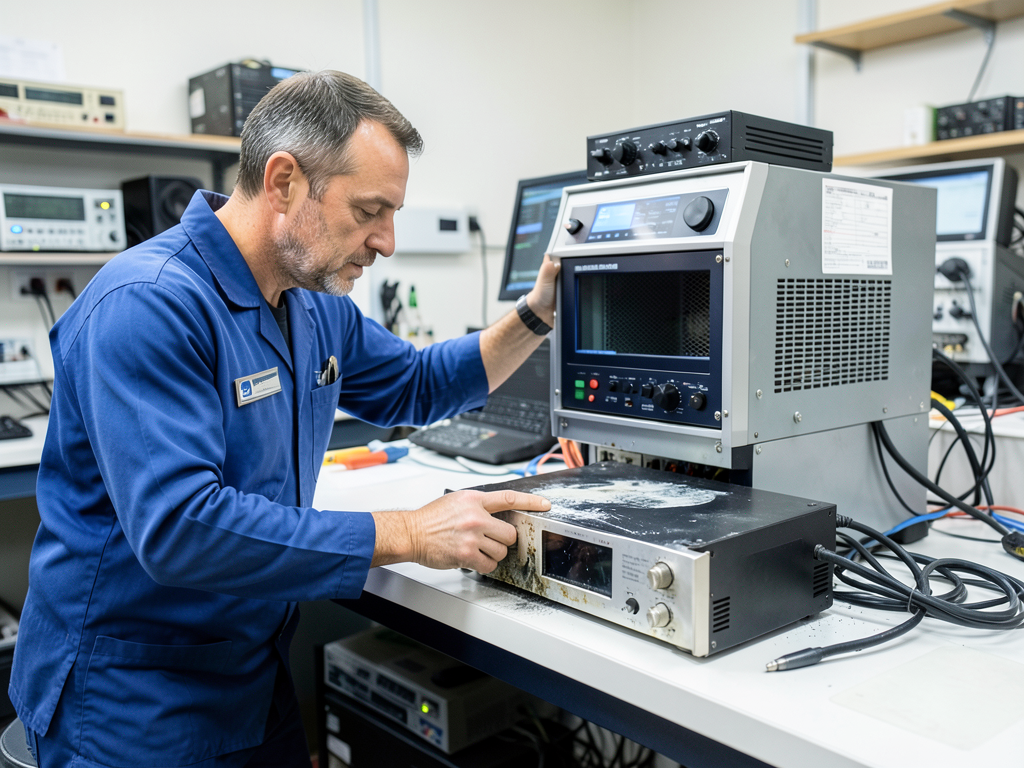
Protecting High End Electronics and Home Theater Systems During Water Restoration in Palma Ceia When water invades your Palma Ceia home, the damage extends far beyond walls and flooring. High-end electronics and sophisticated home theater…
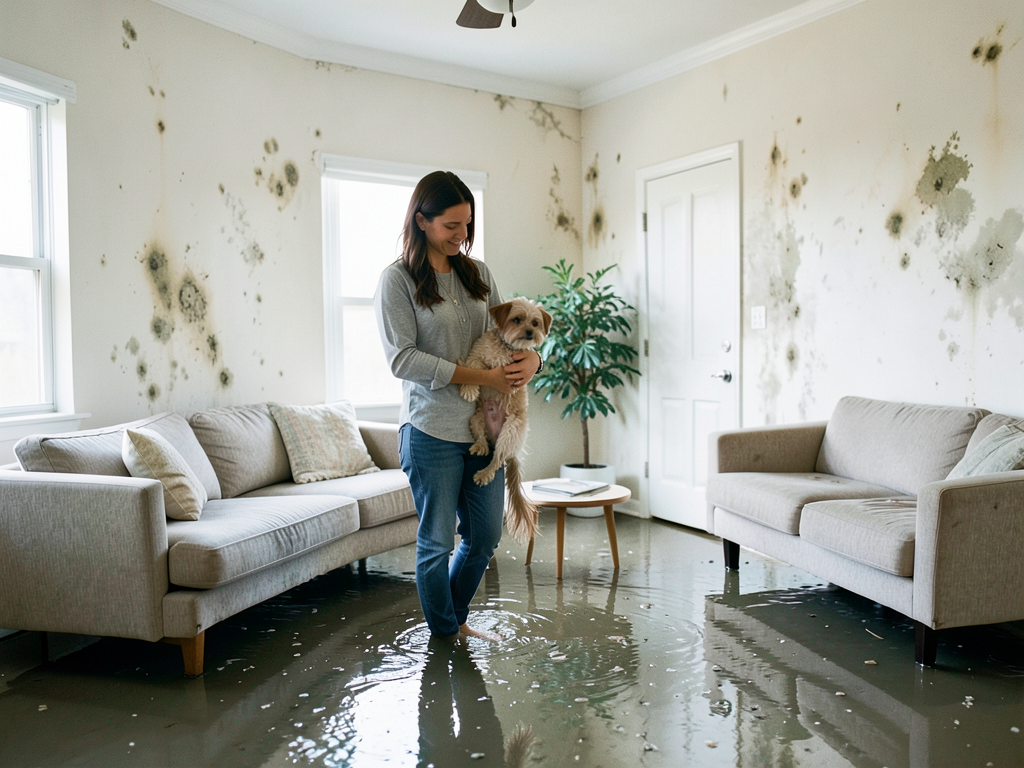
Keeping Your Pets Safe from Toxic Mold After a Flooding Event in Tampa Heights When…
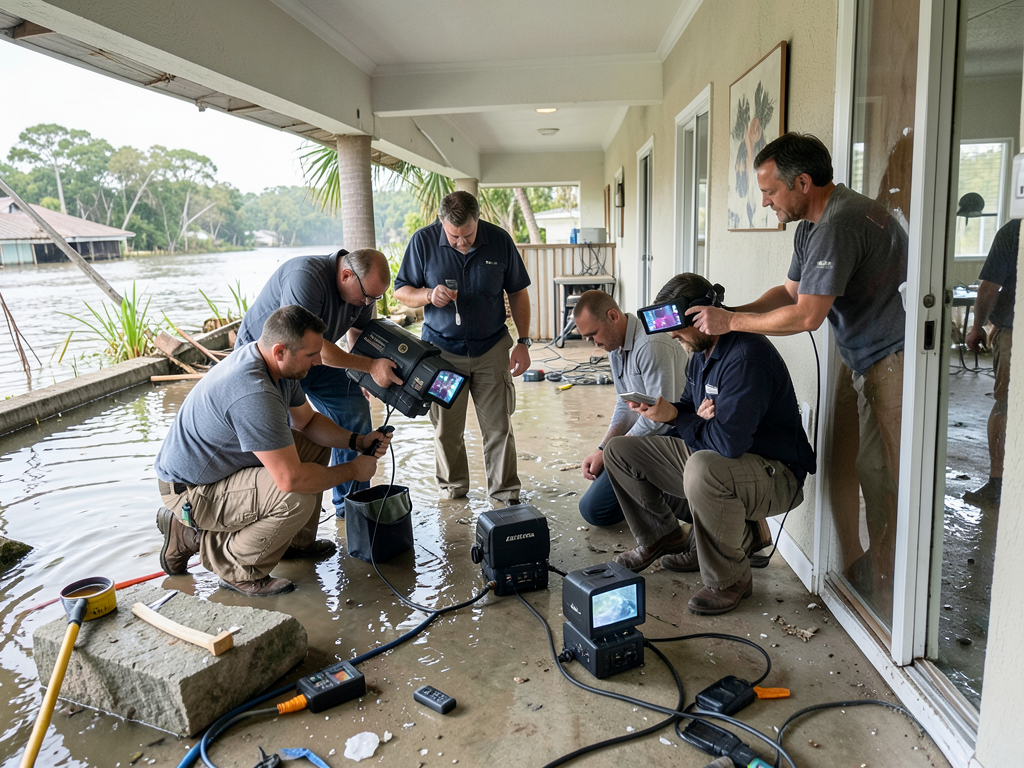
Why Standard Homeowners Insurance Might Not Cover Storm Surge in Apollo Beach When storm surge…
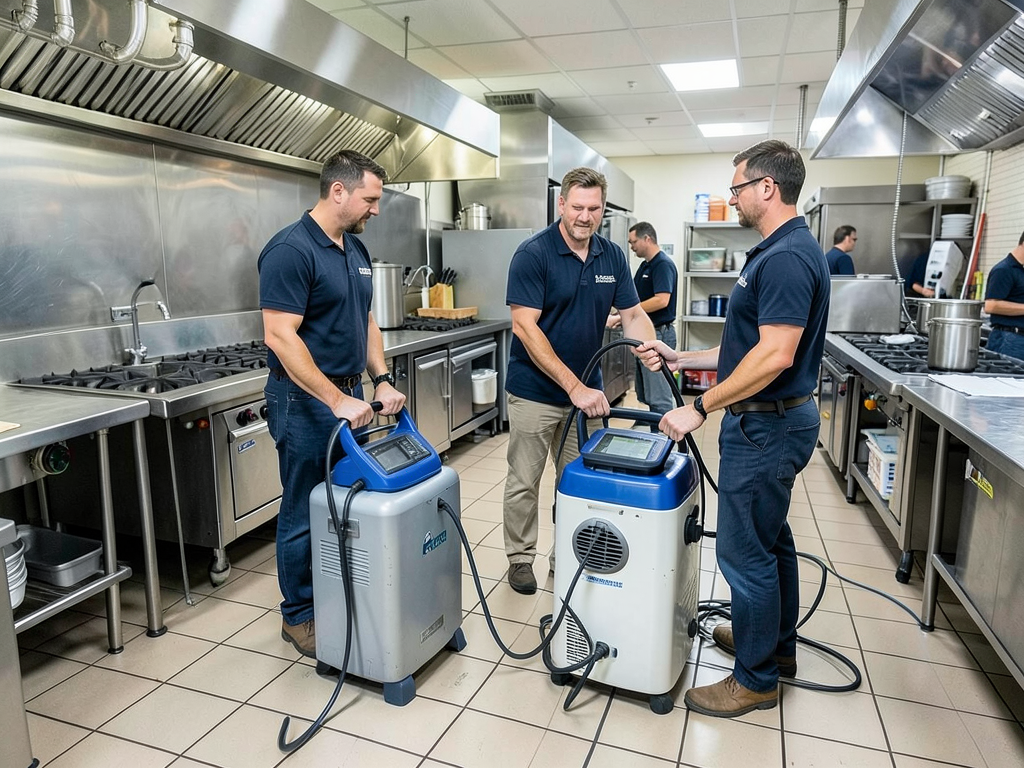
Emergency Water Cleanup Strategies for High Volume Restaurants in Ybor City When water floods a…
Water damage spreads every minute you wait. Call Fortress Water Damage Restoration Tampa now at (656) 219-8088 for emergency response within 60 minutes. Our crews are standing by 24/7 with commercial extraction equipment ready to stop your water damage before it becomes total loss.